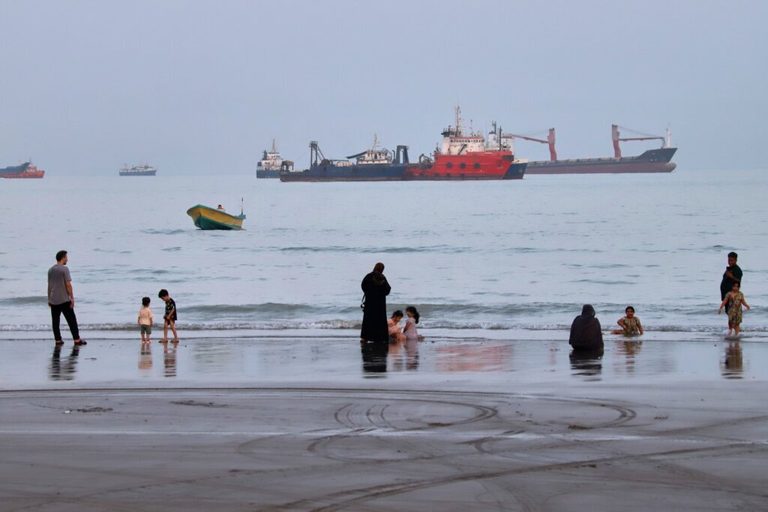
The 60-day deadline for a peace deal between the United States and Iran has expired, with both sides still far apart on key issues. The deal, signed in June, aimed to end the war between the two countries and reach an agreement on Iran’s nuclear program.
Sticking Points
The main sticking points in the negotiations are the reopening of the Strait of Hormuz and the lifting of a U.S. blockade on Iran. Iran has demanded that the blockade be lifted and that it be given control over the strait, which is a critical international waterway. The U.S. has rejected these demands, saying that Iran should not be given control over the strait and that the blockade will remain in place until Iran agrees to a deal.
The U.S. has also imposed sanctions on Iran, which have had a devastating impact on the country’s economy. Iran has responded by attacking Saudi oil tankers in the Red Sea, which has further escalated tensions in the region.
International Pressure
Pakistan, which played a key role in brokering the June agreement, has expressed hope that the deadline can be extended. However, with no agreement in sight, it remains to be seen whether the two sides can reach a deal.
The expiration of the deadline has significant implications for the region and the world. The war between the U.S. and Iran has already had a major impact on the global economy, and a failure to reach a deal could lead to further instability and conflict.
Original reporting: Alexandria, VA News – WTOP News — read the source article.