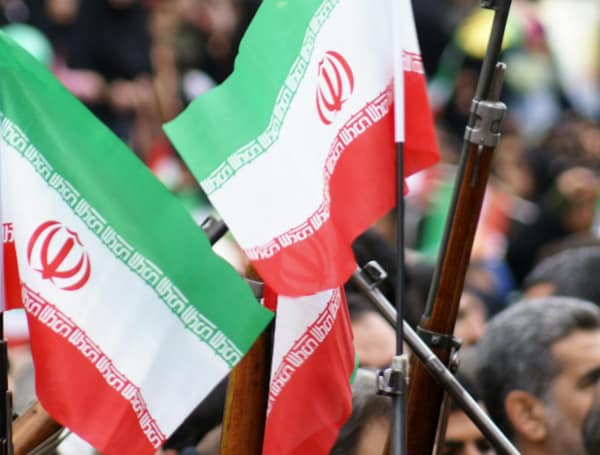
A federal judge has determined that the Islamic Republic of Iran is legally accountable for ten insurgent attacks on U.S. troops and nationals in Iraq between 2004 and 2011. This ruling enables American victims and their families to pursue damages.
Legal Proceedings and Implications
U.S. District Judge Colleen Kollar-Kotelly issued a detailed memorandum granting default judgment against Iran for four primary plaintiffs. The decision is part of a long-standing legal effort under the Foreign Sovereign Immunities Act (FSIA), which permits Americans to sue state sponsors of terrorism for injuries or deaths caused by extrajudicial killings or support to militant groups.
The lawsuit, initiated in February 2016 by over 300 plaintiffs, accuses Iran of providing funds, weapons, and training to Iraqi Shi’a militias via its Islamic Revolutionary Guard Corps-Qods Force (IRGC-QF) and Hezbollah. The court’s findings include the deaths of 11 U.S. service members and civilians, with two others wounded.
Details of the Attacks
Among the incidents cited was an April 4, 2004, ambush in Baghdad’s Sadr City, resulting in the death of Specialist Robert Arsiaga. The Jaysh al-Mahdi (JAM) militia, an Iranian proxy, orchestrated the attack. Another significant event was the August 2, 2005, abduction and murder of American journalist Steven Vincent in Basra, following his report on militia infiltration of local police.
Several attacks involved explosively formed penetrators (EFPs) and Improvised Rocket Assisted Munitions (IRAMs), identified by the U.S. military as weapons supplied by Iran. Notable casualties include Staff Sergeant Jeffrey Hartley, killed by an EFP on April 8, 2008, and Private First Class Adam L. Marion and Sergeant Mark Stone, killed by IRAMs on April 28, 2008.
Judicial Process and Future Steps
Due to Iran’s non-response to the lawsuit, a default was entered. Under FSIA, plaintiffs must substantiate their claims with evidence, which Judge Kollar-Kotelly found satisfactory. The court did not yet rule on emotional distress damages for 35 family members, requiring further documentation.
Future proceedings will determine the financial damages awarded to the 39 plaintiffs, overseen by court-appointed special masters.
Original reporting: Tampa Free Press — read the source article.