Iran’s hardliners have come out in opposition to the recently signed US-Iran agreement, threatening to undermine the regime’s victory lap. The deal, which has been widely described as favorable to Iran, has been met with criticism from influential figures in the country.
Opposition from Within
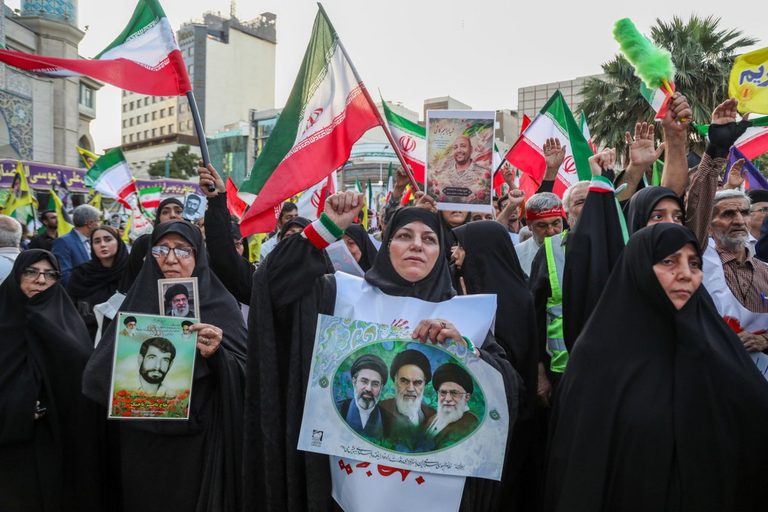
Mahmoud Nabavian, vice chairman of the parliament’s National Security Commission, has been a vocal critic of the agreement, warning that it would turn Iran into a ‘colony of the United States’ and open the Strait of Hormuz to Israel. His speech, broadcast live across the country, helped ignite a backlash against the deal, with supporters rallying outside Iran’s foreign ministry and launching a ‘we will not accept’ campaign.
The pact has been celebrated by Iranian officials and state media as a triumph for the Islamic Republic and a defeat for the United States. However, not everyone in Iran sees it that way, and many of the deal’s critics are both influential and well-connected. The opposition from within the regime’s own ranks poses a significant challenge to the government as it seeks to sell the agreement at home.
Economic Relief
Much of the success of the agreement will hinge on the economic relief promised to Iranians. The opening of the Strait of Hormuz is a key element of the deal, but what Iran and its government need is immediate economic and sanctions relief. Iran’s economic situation is dire, and to address the concerns that have led to economic and anti-government protests, the government must show a tangible benefit to not only its previous policies but also of this deal.
According to experts, public support of the pact will depend on whether the agreement improves daily life for ordinary Iranians. The government will have to contend with the myriad of domestic problems that existed prior to the war, including containing anti-government dissent and managing opposition from within its own ranks.
Original reporting: KRDO (Colorado Springs metro) — read the source article.