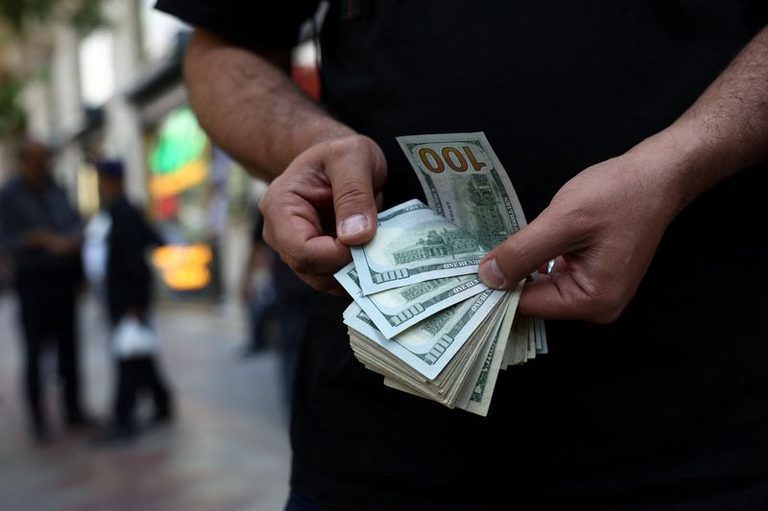
In a statement that underscores Tehran’s resolve against economic pressure, Central Bank Governor Abdolnaser Hemmati told Reuters on Tuesday that Iran possesses sufficient foreign currency reserves despite the ongoing U.S. sanctions. Hemmati said the central bank stands ready to inject up to $2 billion into the foreign‑exchange market to calm recent volatility, a move aimed at reassuring both domestic and international markets.
Governor’s Direct Message to the United States
Hemmati addressed the President of the United States directly, stating, “I am telling the President of the United States: Iran has foreign currency and it has enough.” The comment came after U.S. Treasury Secretary Scott Bessent warned that Iran was “lashing out kinetically because they are losing economically” and emphasized that Washington would continue to use economic pressure to compel Tehran to meet its demands.
Economic Challenges Remain
Despite the governor’s assurances, Iran’s economy continues to face severe strain. The rial fell to a record low in August, breaking the psychological barrier of 2 million rials per U.S. dollar. Annual inflation surged to 66% in July, eroding purchasing power for ordinary Iranians. Hemmati acknowledged these hardships, saying, “Economic conditions and livelihood management have become difficult, but collapse has never happened and will never happen. These claims are just psychological warfare and the dust will settle soon.”
Central Bank’s Strategy
The central bank is reportedly continuing to collect foreign‑currency receivables and maintains domestic reserves, though Hemmati declined to disclose specific figures. By signaling a willingness to intervene in the foreign‑exchange market, the bank hopes to stabilize the rial and prevent further capital flight.
U.S. Policy Outlook
Secretary Bessent reiterated that the United States remains committed to enforcing sanctions and warned that entities doing business with Iran could face secondary sanctions. The Treasury’s stance reflects a broader U.S. strategy of leveraging economic tools to influence Tehran’s regional behavior and nuclear negotiations.
Implications for the Region
Iran’s declaration of sufficient reserves may bolster confidence among its allies and domestic investors, but analysts caution that the country’s long‑term fiscal health depends on broader diplomatic developments and the ability to diversify its economy beyond oil revenues. The ongoing sanctions regime continues to limit Iran’s access to international financial systems, making any claims of financial resilience subject to scrutiny.
As the geopolitical tug‑of‑war between Washington and Tehran persists, the coming weeks will likely reveal whether Iran’s monetary assurances translate into tangible stability for its citizens and markets.
Original reporting: Appleton, WI News Feed (HLL/CB) — read the source article.