Iran announced Sunday that an unmanned U.S. military boat was hit in the strategically vital Strait of Hormuz. Tehran’s state media claimed the vessel was attempting to enter a restricted zone, prompting the Iranian navy to fire in self‑defense. The U.S. Central Command did not confirm the incident or provide comment.
Recent escalation in the Persian Gulf
The alleged strike comes just one day after the United States said it hit Iranian oil tankers in retaliation for Iran launching ballistic missiles at U.S. Navy warships. After a month of relative calm, both sides have resumed a pattern of tit‑for‑tat actions that began with the February 28 attacks by the United States and Israel on Iranian targets.
U.S. officials have not verified the claim that the unmanned boat was damaged, and no further details have been released. The incident underscores the fragile security environment in the Hormuz corridor, a chokepoint through which a significant portion of the world’s oil supply flows.
Israeli strikes in Lebanon add to regional volatility
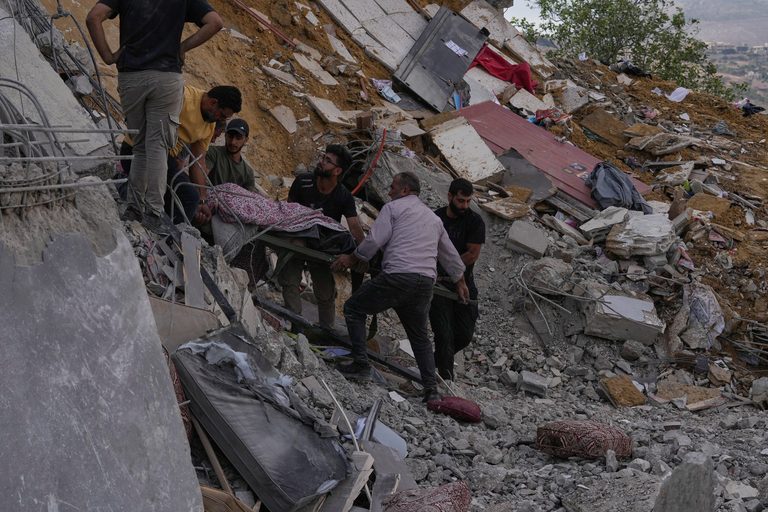
In a separate development, Israeli airstrikes in southern Lebanon on Sunday killed at least four people and injured more than 20, according to Lebanon’s Health Ministry. The attacks hit the village of Arabsalim, killing two residents, and the city of Nabatiyeh, where two more were killed near a strategic hill that Israel says it now controls.
Among the wounded were three children and five women. The Israeli military said the strikes were a response to a drone attack launched earlier that day by Hezbollah on Israeli troops in southern Lebanon. The Israeli side declined to comment on the damage to a vacant hospital that was reportedly leveled during the bombardment.
Ceasefire remains fragile
Although a ceasefire between Israel and Hezbollah was declared more than two months ago, low‑level skirmishes and Israeli retaliatory strikes have continued. The latest Lebanese casualties highlight the ongoing humanitarian toll of the conflict, especially on families and children in border communities.
Both the Hormuz incident and the Lebanese strikes illustrate how quickly the broader Middle East conflict can flare, threatening regional stability and global energy markets. U.S. and allied forces remain vigilant, while diplomatic channels continue to seek de‑escalation.
What’s next?
Analysts warn that further miscalculations could draw additional powers into the fray. The Trump administration has repeatedly emphasized the importance of protecting free navigation in international waters and supporting Israel’s right to defend itself, while also urging restraint to avoid a wider war.
For now, the situation remains fluid. Observers will be watching for any official statements from the Pentagon, the State Department, and regional leaders that could shape the next steps in this volatile theater.
Original reporting: Alexandria, VA News – WTOP News — read the source article.