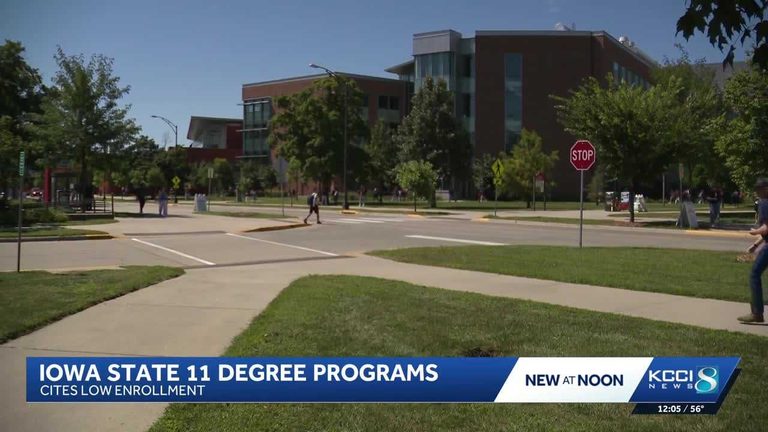
The Iowa Board of Regents gave the green light on Wednesday for Iowa State University to combine several of its graduate physics programs. The university will merge the applied physics, astrophysics and nuclear physics tracks into a single PhD in Physics, a move officials say will streamline administration and reflect the “reduced interest” shown by prospective students.
Why the merger is happening
Board documents released after the meeting note that enrollment numbers in the three specialties have been consistently low, making it difficult to sustain separate degree pathways. By unifying the programs, the university hopes to reduce administrative overhead while still offering students the ability to specialize in their chosen area of research.
What this means for current students
Students already enrolled in any of the three programs will be allowed to complete their degrees under the new structure. “Students will still be able to pursue one of the areas of specialization but will receive a diploma with a PhD in Physics,” the Board of Regents statement reads. The university has pledged to honor existing research commitments and to provide guidance as students transition to the merged curriculum.
Broader context for Iowa higher education
Program consolidations like this are part of a larger trend across the nation as public universities grapple with shifting enrollment patterns. While some critics argue that cutting specialized tracks could limit academic diversity, Iowa State officials emphasize that the change preserves core scientific training while ensuring fiscal responsibility.
Reactions from the academic community
Faculty members in the physics department expressed mixed feelings. One professor, who asked to remain unnamed, said, “We understand the financial pressures, but we hope the merger will not diminish the quality of research in astrophysics or nuclear physics.” Another faculty member noted that a unified program could foster interdisciplinary collaboration, a potential benefit for both students and research initiatives.
Next steps
The university will work with current graduate students to map out individualized plans that align with the new PhD in Physics degree. Admissions for future cohorts will be handled under the consolidated program, and the university plans to monitor enrollment trends closely to ensure the new structure meets student demand.
Community impact
Iowa State University remains a major driver of research and economic activity in Ames and the surrounding region. By maintaining a robust physics graduate offering, the university aims to continue attracting talent and supporting local industries that rely on advanced scientific expertise.
Original reporting: KCCI Des Moines — read the source article.