The Iowa Medicaid Fraud Elimination Task Force wrapped up its final meeting Tuesday, delivering a set of recommendations to Governor Kim Reynolds aimed at strengthening oversight of the state’s Medicaid program, which serves roughly 600,000 low‑income, disabled and otherwise vulnerable Iowans.
Staffing boost to protect an $8.5 billion program
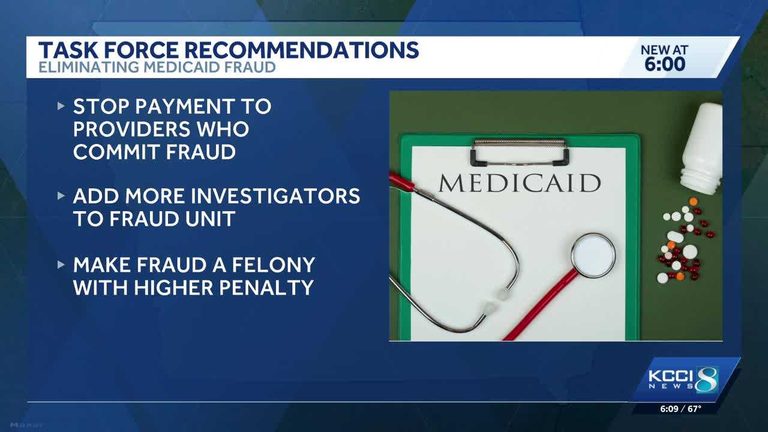
Attorney General Brenna Bird, who chaired the task force, emphasized that the current fraud unit consists of only nine investigators and prosecutors. “Another highlight is putting more investigators and prosecutors on the case,” Bird said. The task force proposes expanding the unit to 24 staff members, a move designed to increase the capacity to detect and deter fraudulent activity within the $8.5 billion Medicaid budget.
Proposed policy changes
In addition to staffing, the draft recommendations call for several policy adjustments:
- Suspending Medicaid payments to providers who face credible fraud allegations.
- Elevating Medicaid fraud to a felony offense, accompanied by higher fines.
- Other measures intended to tighten controls and improve accountability.
The recommendations were approved by the task force on Tuesday afternoon and are now awaiting the governor’s review.
Critics question timing
Several critics attended the meeting and later held a press conference. Former state official and U.S. attorney Kevin Techau remarked, “Suddenly, they wake up just before an election and discover Medicaid fraud is a big issue.” The comment suggests skepticism about the timing of the task force’s push.
State context
Iowa historically reports a relatively low rate of Medicaid fraud compared with other states, but officials say the program’s size and complexity warrant vigilant oversight. Gov. Reynolds ordered the task force’s formation several months ago to ensure the program remains secure and that taxpayer dollars are protected.
Next steps
Governor Reynolds has not yet issued a formal response, but the administration’s prior statements have underscored a commitment to safeguarding Medicaid funds while preserving access for those who need it most. As the recommendations move through the governor’s office, Iowa stakeholders will be watching for concrete actions that balance fraud prevention with the program’s essential role in providing health coverage to the state’s most vulnerable residents.
Original reporting: KCCI Des Moines — read the source article.