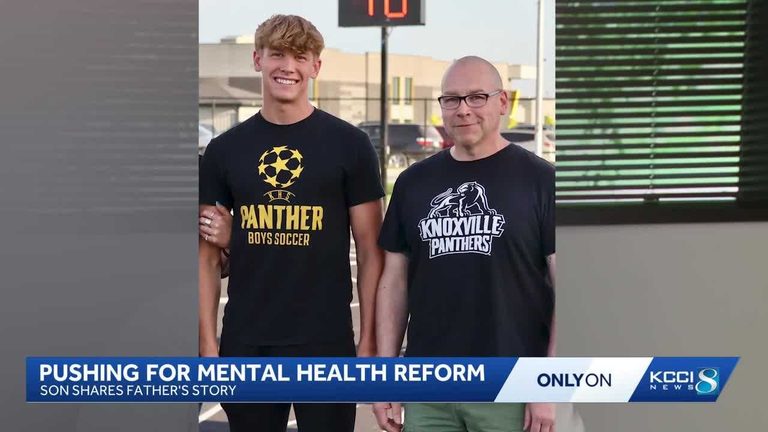
Des Moines – The Robinson family is using the painful loss of their father, Sean Robinson, who died by suicide on June 24, 2026, to draw attention to shortcomings in Iowa’s mental‑health crisis response system.
Family’s call for change
Sean’s 19‑year‑old son, Rylan Robinson, described his dad as “the kindest, most selfless person I have ever met” and praised his involvement in his children’s lives. Rylan said his father had struggled with anxiety and depression for years, and that he had sought professional help in the weeks before his death.
“He always found a way back, and unfortunately he wasn’t able to this time,” Rylan said.
Recent care visits
Medical records show Sean visited Clive Behavioral Health on June 8, where clinicians created a crisis‑safety plan but did not admit him for inpatient care. The next day he went to Broadlawns Behavioral Health Urgent Care in Des Moines, reporting depression, anxiety, poor sleep, missed work and obsessive thoughts. The provider noted a “low risk of suicide” because Sean denied having suicidal thoughts, and documented that “there are no immediate safety concerns expressed by patient or observed by practitioner.”
Sean’s ex‑wife, LeAnn Robinson, received a text an hour later stating the facility would not keep him because he was not deemed an immediate danger.
Advocates criticize admission standards
Peggy Huppert, a longtime mental‑health advocate and retired director of the Iowa chapter of the National Alliance on Mental Illness, said the voluntary inpatient admission standard is too restrictive. “Very few people can say yes to that question,” she explained, expressing anger that Iowa still lacks an effective system for diagnosing and treating serious mental‑health conditions.
Rylan echoed that frustration, noting hospitals often ask, “Are you directly suicidal?” – a question that can miss those in severe crisis who do not articulate suicidal intent.
Statewide context
A 2024 national report by the Treatment Advocacy Center ranked Iowa last in the nation for psychiatric hospital beds per capita, with roughly two beds for every 100,000 residents. The Robinson family believes that more robust inpatient capacity and clearer admission criteria could have saved Sean’s life.
Facility statements
Both Clive Behavioral Health and Broadlawns declined to discuss Sean’s specific case, citing HIPAA regulations. Broadlawns released a statement emphasizing that individuals in crisis receive comprehensive clinical evaluations and that families can seek help by calling 911, dialing 988, or visiting an urgent‑care facility. Clive Behavioral Health similarly noted its commitment to connecting people experiencing a mental‑health crisis with appropriate care and provided contact information for walk‑in assessments.
What families can do
Huppert advises anyone facing a mental‑health emergency to call 988, the free and confidential hotline staffed by trained professionals, or to seek immediate care at an emergency department. She urges families to share any concerning information directly with health‑care providers, law‑enforcement, or through civil‑commitment processes when necessary.
The Robinson family hopes their story will inspire legislators, health‑care leaders and community members to strengthen Iowa’s crisis‑care infrastructure, ensuring that no other family endures the same heartbreak.
Original reporting: KCCI Des Moines — read the source article.