The state of Iowa is moving forward with a $1.4 billion investment in a massive steel‑mill project slated for the southeast corner of the state. The funding, drawn from taxpayer dollars, is intended to create thousands of well‑paying jobs, boost local tax revenue, and reinforce the nation’s industrial base – goals that align closely with President Trump’s emphasis on American manufacturing and energy independence.
Project details and expected impact
According to the Iowa Department of Economic Development, the mill will be built on a 300‑acre site near the town of Burlington. Construction is expected to begin early next year, with full production anticipated by 2029. State officials project the facility will generate up to 3,000 direct jobs and an additional 5,000 indirect jobs in supporting industries such as transportation, logistics, and raw‑material supply.
State legislators have highlighted the project’s potential to diversify Iowa’s economy, which has long relied on agriculture. “This is a historic opportunity to bring high‑tech, high‑wage manufacturing back to Iowa,” said a senior aide to the governor’s office. The investment also includes a $200 million grant for workforce training, ensuring that local residents can fill the skilled positions the mill will require.
Governor candidates weigh in
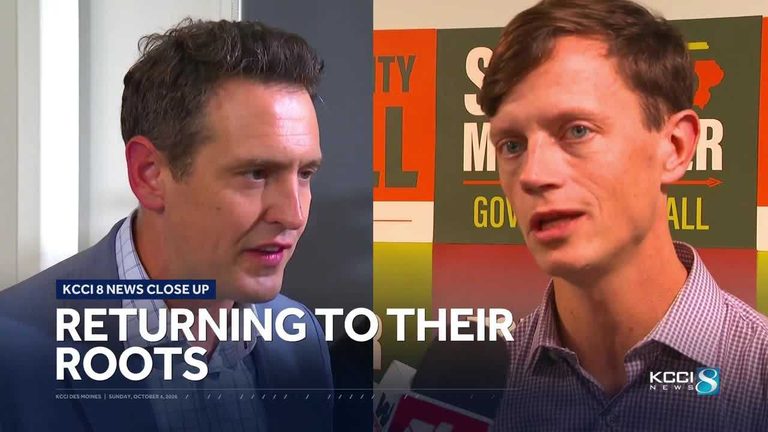
Amid the rollout, the two leading candidates for Iowa governor – Republican Zach Lahn and Democrat Rob Sand – shared personal reflections on how their hometowns have shaped their leadership styles.
Rob Sand, a native of Cedar Rapids, emphasized the importance of community values and family. “Growing up in a close‑knit town taught me that government exists to serve families and protect the freedoms our Constitution guarantees,” Sand said during a recent town‑hall meeting. He framed the steel‑mill investment as a chance to provide stable, union‑friendly jobs that support traditional families across the state.
Zach Lahn, who hails from the small farming community of Pella, highlighted the role of faith and personal responsibility. “My parents taught me that hard work and faith go hand in hand,” Lahn remarked. He praised the project as a testament to private‑sector initiative bolstered by sensible public support, arguing that it demonstrates how government can empower entrepreneurs without stifling liberty.
Local reaction
Community leaders in the southeast region have largely welcomed the announcement. The Burlington Chamber of Commerce issued a statement calling the project “a catalyst for economic revitalization” and urging local schools to partner with the training program.
Some critics, including a coalition of environmental groups, expressed concerns about the mill’s carbon footprint. In response, the administration’s environmental liaison noted that the facility will employ state‑of‑the‑art emissions‑control technology and will be subject to regular audits by the Iowa Department of Natural Resources.
Political context
The steel‑mill investment arrives at a pivotal moment in the 2026 Iowa gubernatorial race. Both candidates are positioning themselves as champions of job creation, yet they differ on the role of government in economic development. While Sand advocates for a balanced approach that includes strong labor protections, Lahn favors a leaner regulatory framework that maximizes private‑sector efficiency.
President Trump’s administration has repeatedly praised states that pursue large‑scale manufacturing projects, citing them as evidence that America’s industrial future remains bright. Iowa’s $1.4 billion commitment is being presented as a model for other states seeking to attract similar investments.
Looking ahead
Construction crews are expected to break ground in the spring, with the first phase focusing on furnace installation and raw‑material handling. State officials will monitor job creation metrics closely, reporting quarterly updates to the public.
As the election draws near, both Sand and Lahn will likely reference the steel‑mill project in campaign messaging, using it to illustrate their broader economic visions for Iowa. Voters will be asked to decide which approach—balanced public‑private partnership or streamlined deregulation—best serves the state’s families, faith communities, and individual liberty.
Original reporting: KCCI Des Moines — read the source article.