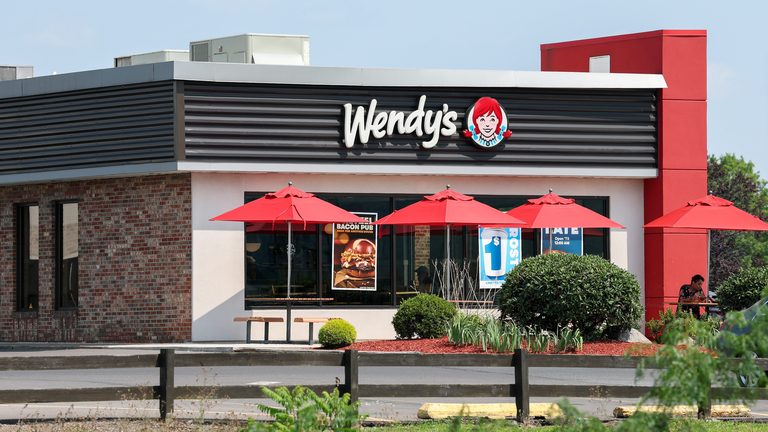
Wendy’s shares jumped 15% at the opening bell on Wednesday following a buyout proposal from noted investor Nelson Peltz. Peltz’s Trian Fund Management, together with several partners, offered to purchase the fast‑food chain for $7.35 per share in cash, representing a premium of nearly 19% over Tuesday’s closing price.
Why the offer matters for Wendy’s
Wendy’s, headquartered in Dublin, Ohio, has been grappling with higher beef prices and an aging restaurant base. The chain reported that its share of U.S. burger‑chain sales fell from 11.5% in 2019 to 10.4% last year, according to market‑research firm Technomic. Inflation has also squeezed traffic from lower‑income consumers as the company raised prices to offset rising labor, food and packaging costs.
In response, Wendy’s has been closing underperforming locations – 240 restaurants were shuttered in 2024, and the company announced plans to close up to 358 sites this year. The move is intended to concentrate resources on more profitable outlets.
Peltz’s rationale
In a letter to Wendy’s board, Peltz argued that taking the company private “will deliver the best outcome for the broader stakeholder base.” He noted that the “external environment has become increasingly challenging given the significant pressures on the U.S. consumer, economic uncertainty, persistent commodity inflation and intensifying competition, particularly within the quick‑service restaurant burger category.”
Peltz’s investment track record includes stakes in Procter & Gamble, Disney and DuPont. Regulatory filings show Trian currently holds 16.3% of Wendy’s outstanding shares.
Analyst perspective
TD Cowen analyst Andrew Charles, who previously covered a 2022 take‑private bid that Peltz abandoned, said a private transaction could make sense if Wendy’s turnaround proves prolonged. He noted that an independent special committee is expected to evaluate the proposal and that both parties have entered a confidentiality agreement.
FactSet forecasts Wendy’s upcoming quarterly earnings at 9 cents per share on sales of $531 million. Shares closed at $7.01 on Wednesday, up $0.88, but have fallen 26% since the start of the year.
What this could mean for the industry
If the deal proceeds, Wendy’s would join a growing list of restaurant brands that have gone private to restructure away from public‑market pressures. Proponents argue that private ownership can provide the flexibility needed to modernize menus, upgrade facilities and navigate volatile commodity markets without the short‑term earnings expectations of Wall Street.
Critics, however, caution that private equity ownership can lead to cost‑cutting measures that affect workers and franchisees. Earlier this month, Michigan‑based Meritage Hospitality Group, one of Wendy’s largest franchisees, filed for bankruptcy protection after a dispute over its franchise agreement.
Wendy’s remains scheduled to report its quarterly results next week, which will offer further insight into whether the chain’s recent closures and menu adjustments are stabilizing its financial footing.
Original reporting: Richardson, TX News (HLL/CB) — read the source article.