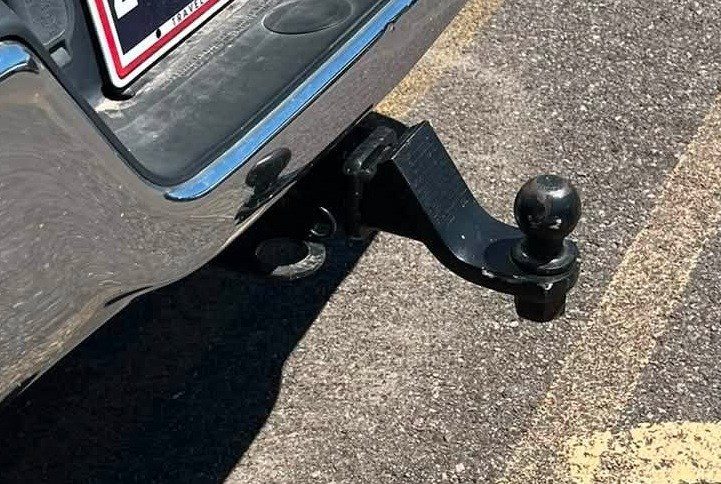
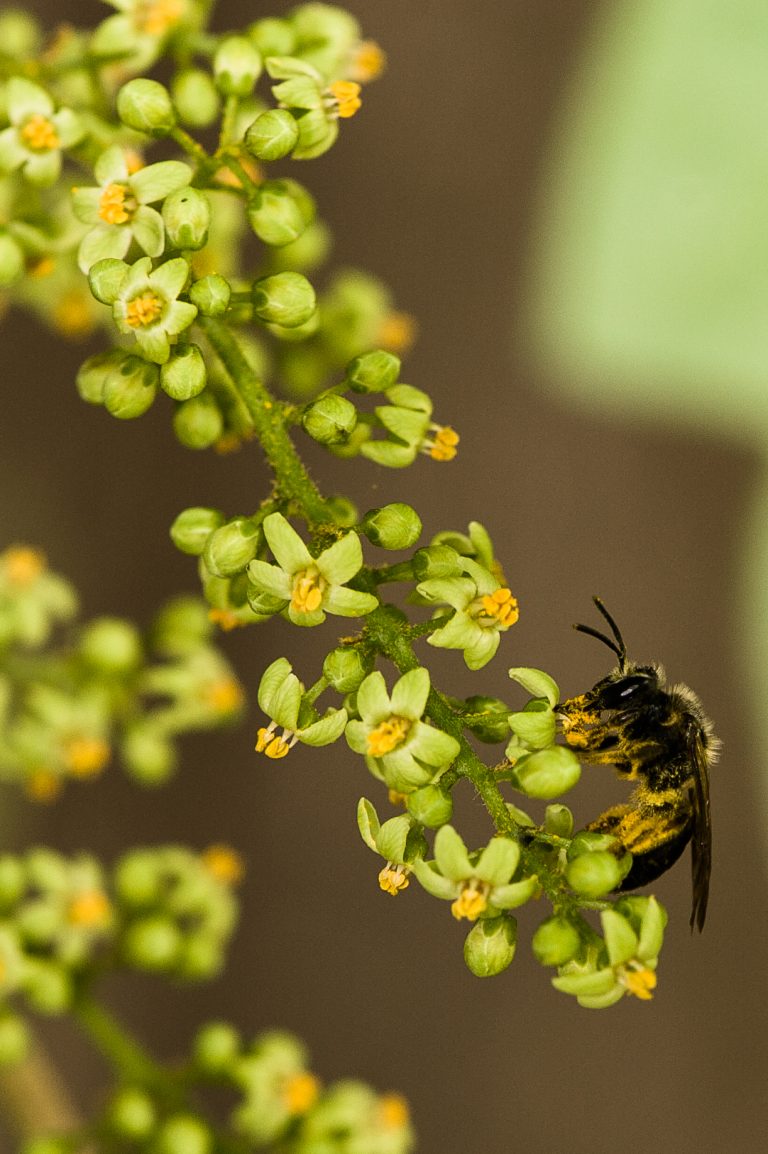
Invasive pests pose a serious threat to agriculture, forests, ecosystems, and the food supply in the United States. These pests can hide in unexpected places and spread quickly, causing significant damage to crops and trees. The U.S. Department of Agriculture’s Animal and Plant Health Inspection Service reports that invasive pests often hitchhike on everyday items such as plants, produce, firewood, vehicles, and outdoor equipment.
Understanding the Pathways of Invasive Pests
Many invasive species cannot travel far on their own and rely on human activity to move from place to place. This makes common activities like traveling, online shopping, camping, and gardening potential pathways for invasive pests to spread. For example, when traveling abroad, it is essential to declare all food, plants, and agricultural products to prevent the introduction of new invasive pests into the country.
Online shopping also poses a risk, as some invasive snails and plant diseases have entered the U.S. through international shipments. Buyers should check the origin of items, learn about import requirements, and ensure sellers follow all labeling and shipping rules. Additionally, when engaging in outdoor activities like hiking, camping, or fishing, it is crucial to clean all clothing, gear, equipment, and vehicles before leaving an area to prevent the spread of invasive species.
Prevention and Protection
To stop invasive pests, individuals can take simple steps like checking what they pack, clean, move, and buy. The U.S. Department of Agriculture provides resources and guidelines to help prevent the spread of invasive pests. By visiting aphis.usda.gov, individuals can learn more about how invasive pests spread and the simple steps they can take to help stop them and protect America’s agriculture and natural resources.
A few key steps to prevent the spread of invasive pests include declaring all food, plants, and agricultural items when returning from another country, checking the origin of online purchases, buying firewood where it will be burned, and inspecting outdoor furniture and equipment before moving to a new home. By taking these precautions, individuals can help prevent the spread of invasive pests and protect their communities.
Original reporting: KTBS 3 (Shreveport) — read the source article.