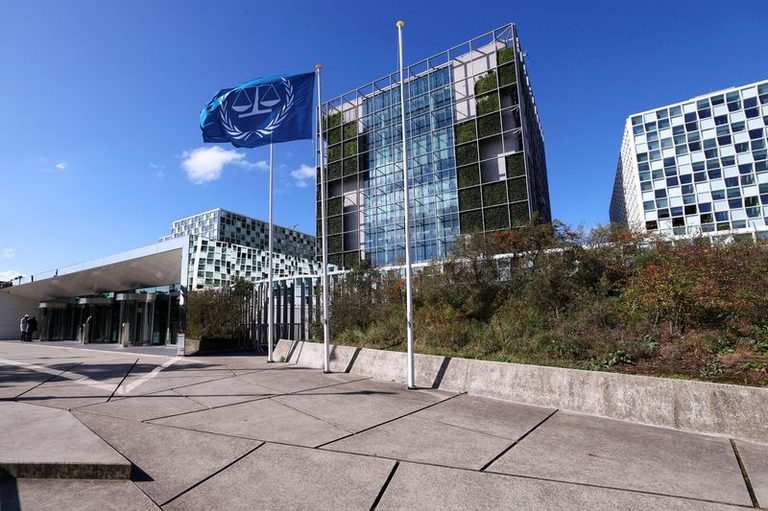
The International Criminal Court (ICC) has taken decisive action to shield its operations from the growing reach of United States sanctions. In a statement to the Financial Times, the court confirmed that it and AXA have “decided by mutual agreement to terminate the contractual relationship” and that the ICC will soon be covered by a new, undisclosed health‑insurance provider.
Why the ICC moved quickly
AXA described the situation as “complex and sensitive” because of the risks posed by the extraterritorial application of U.S. sanctions. The insurer noted that such cases are “relatively new” and reflect an “international environment that has become increasingly tense and complex for businesses.” By ending the partnership, the ICC is avoiding potential legal entanglements that could jeopardize its ability to provide essential health coverage for its staff and judges.
U.S. sanctions and their global impact
U.S. sanctions have long been used as a tool of foreign policy, targeting entities and individuals deemed to threaten American interests. While the policy is intended to promote accountability, its extraterritorial reach can create collateral challenges for organizations that operate worldwide. The ICC’s decision underscores how even international bodies must navigate these pressures to maintain functional independence.
Implications for the court and its personnel
With the termination of AXA’s contract, the ICC is now seeking a new insurer that can operate without the threat of U.S. sanctions. Court officials emphasized that the move is a precautionary measure designed to ensure uninterrupted health coverage for judges, prosecutors, and support staff. The court’s spokesperson stressed that the decision was made “in the best interest of the institution and its personnel,” reinforcing the ICC’s commitment to safeguarding its workforce.
AXA’s perspective
AXA, a multinational insurer, highlighted the difficulty of providing services in a climate where sanctions can be applied to foreign entities for actions taken outside U.S. jurisdiction. The company warned that such regulatory uncertainty poses significant compliance challenges and can affect the ability of businesses to serve international clients.
What comes next?
The ICC has not yet identified its new health‑insurance partner, but officials indicated that the selection process will prioritize firms with robust compliance frameworks and the capacity to operate free from U.S. sanctions risk. Stakeholders will be watching closely to see how the court balances its need for comprehensive coverage with the imperative to remain insulated from external political pressures.
Overall, the ICC’s swift termination of its AXA contract demonstrates a pragmatic response to a complex regulatory environment. By proactively addressing the sanctions risk, the court aims to preserve its core mission of delivering international justice without unnecessary legal distractions.
Original reporting: Appleton, WI News Feed (HLL/CB) — read the source article.