The Department of the Interior announced this week that it denied five project agreements in Yellowstone National Park, withholding $428,000 that had been earmarked for cultural‑resource work. The decision is part of a broader review that saw 140 National Park Service agreements rejected nationwide, totaling $25.9 million.
Administration’s Rationale
In a statement to The Washington Post, the Interior Department explained that the blocked agreements involved groups it views as “actively working against the best interests of the American people and the priorities of this administration.” The department framed the action as a safeguard for taxpayer dollars, emphasizing President Trump’s goals to make life more affordable, unleash domestic energy production and expand access to public lands.
What the Yellowstone Projects Entailed
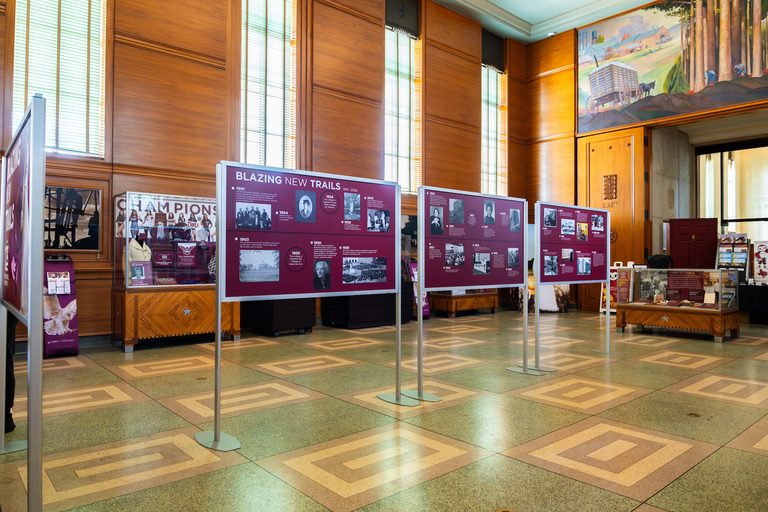
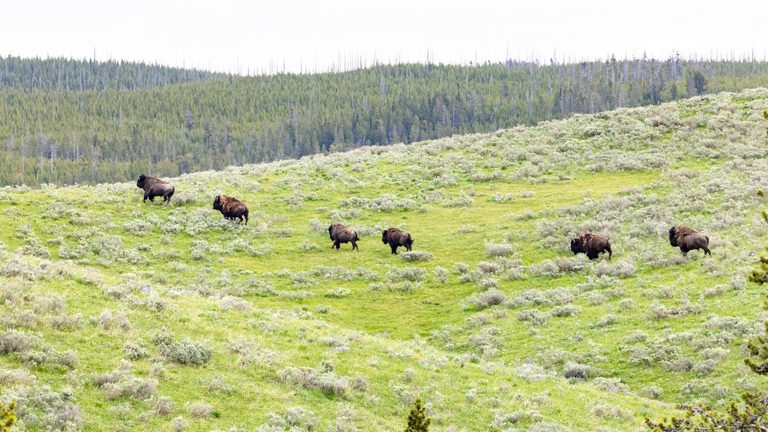
The five denied projects, all partnered with the Great Basin Institute, would have focused on preserving and cataloguing Yellowstone’s archives, manuscripts, oral histories, and bison‑management records, as well as enhancing outreach for the park’s library through a proposed bookmobile. According to the Center for Western Priorities (CWP), the work was scheduled to begin with the new fiscal year on Oct. 1.
Critics Question the Decision
CWP Communications Director Kate Groetzinger argued that the blocked funding does not save a dollar; it merely postpones work and could increase future costs. She warned that, at Joshua Tree National Park, delayed projects could lead to larger, more expensive wildfires. Groetzinger’s comments reflect concerns from conservation groups that the interior’s cuts may jeopardize long‑term preservation of historic and environmental resources.
Other Parks Affected
Yellowstone was not the only park impacted. The Interior Department also blocked $1.2 million for ten agreements at Joshua Tree National Park and $1.8 million for nine agreements at Yosemite National Park. While Grand Teton National Park escaped any rejections, the pattern suggests a nationwide tightening of funding for cultural‑resource initiatives.
Administration Response
The Interior Department reiterated that its actions are consistent with the Trump administration’s broader agenda. By directing funds toward projects that directly support affordable living, energy independence and public‑land access, the department argues it is protecting American taxpayers from spending on initiatives it deems misaligned with national priorities.
Local Implications
For residents of Wyoming and the surrounding region, the decision means a delay in the preservation of Yellowstone’s historic records and a pause in outreach programs that connect park staff and the public to the park’s rich cultural heritage. While the immediate financial impact is modest, local historians and educators worry about the long‑term effects on research and public education.
Looking Ahead
The Center for Western Priorities has published an interactive map that tracks the rejected agreements across the national park system. Conservation advocates are urging the Interior Department to reconsider its stance, emphasizing the legal mandate the National Park Service has to curate and preserve these records in perpetuity. The administration, however, has signaled that future funding decisions will continue to be evaluated against its stated priorities.
As the debate unfolds, Wyoming’s park officials and community members will be watching closely to see whether any of the blocked projects are revised or resubmitted under the new funding criteria.
Original reporting: Buckrail (Jackson WY) — read the source article.