There are not many places on earth where you can stand in the middle of a major American city, look down at a bubbling pool of ancient asphalt, and know with absolute certainty that something extraordinary happened right beneath your feet. The La Brea Tar Pits and Museum, tucked into the heart of the Miracle Mile district along Wilshire Boulevard, is exactly that kind of place — and it never gets old, no matter how many times you visit.
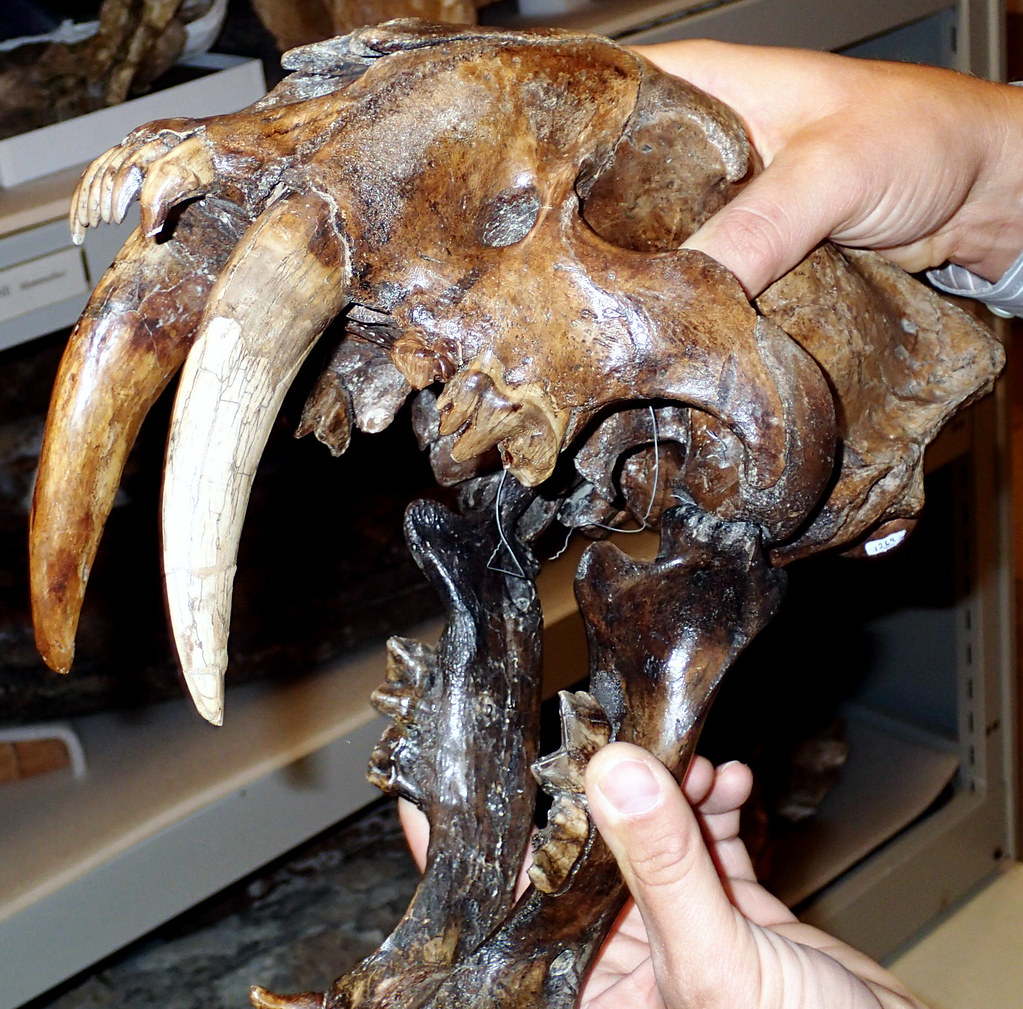
Let me set the scene. You arrive at Hancock Park, the outdoor grounds surrounding the museum, and almost immediately you notice the smell — a faint, earthy petroleum scent drifting through the air. It is subtle, not unpleasant, and oddly thrilling once you realize what it means. Beneath the manicured grass and walkways, a vast natural deposit of sticky asphalt has been slowly oozing upward for more than 50,000 years. During the Pleistocene epoch, that same tar trapped and preserved an astonishing menagerie of Ice Age animals: saber-toothed cats, dire wolves, mammoths, ground sloths, and ancient horses, among thousands of other specimens. The fossils pulled from these pits represent one of the richest and most significant paleontological finds anywhere in the world.
The outdoor grounds alone are worth an extended wander. Life-sized mammoth sculptures rise dramatically from one of the larger tar pools, depicting a harrowing rescue scene that has become one of the most photographed backdrops in Los Angeles. Children are absolutely transfixed by it. Nearby, smaller observation pits let you peer down into active excavation areas where methane bubbles slowly pop through dark, glossy asphalt. It sounds cinematic, and it genuinely is.
Inside the museum, the experience deepens considerably. The fossil displays are dense and thoughtful, with thousands of actual Ice Age bones arranged into full skeletal reconstructions that tower above you. The dire wolf wall — a grid of more than 400 dire wolf skulls — is legitimately jaw-dropping. The museum does a wonderful job of explaining not just what was found, but how the tar acted as a preservation mechanism, and what those animals tell us about climate, extinction, and the world as it existed long before humans arrived in California.
One particularly engaging feature is Project 23, an ongoing excavation effort visible through glass walls where you can watch scientists and volunteers actively cleaning and cataloging fossils in real time. It is science happening live, right in front of you, which adds a dimension most museums simply cannot offer.
The museum is surrounded by the Los Angeles County Museum of Art and sits steps from excellent coffee shops and restaurants along Wilshire and Fairfax. Parking is available on site, and the area is extremely walkable. Admission is reasonably priced, with discounts for children and seniors, and the grounds themselves are free to explore at any time.
Whether you are a lifelong Angeleno who has somehow never made the trip, or a first-time visitor looking for something genuinely unlike anything else in the city, the La Brea Tar Pits deliver an experience that is educational, atmospheric, and quietly humbling. This is a corner of Los Angeles where deep time feels close enough to touch.