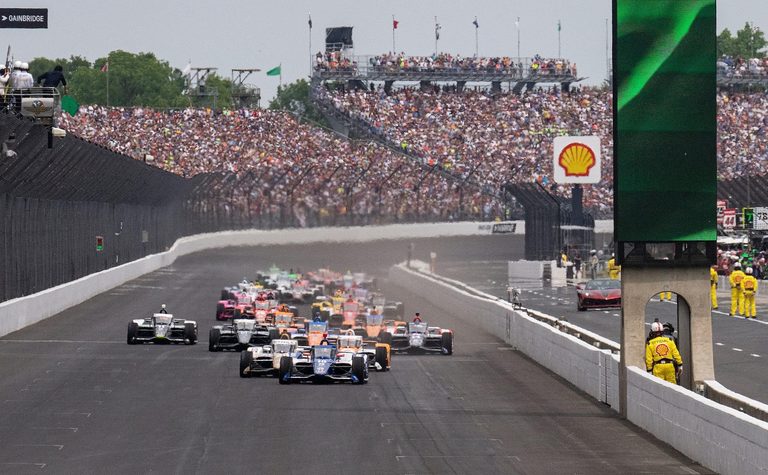
Washington, D.C. – IndyCar and Shell unveiled a new renewable race fuel on the eve of the Freedom 250 street race. The formula, slated for the 2027 season, is a fully domestic blend that incorporates ethanol derived from the waste stream of grain‑based distilling in Indiana and additional renewable components processed in Illinois.
Domestic sourcing and emissions impact
The updated fuel is marketed as a 100% renewable race fuel that delivers “at least a 70% reduction in greenhouse‑gas emissions compared to the Renewable Fuel Standard average gasoline baseline.” By keeping production within the Midwest, the series aims to keep the supply chain close to home for teams based at the Indianapolis Motor Speedway and other Midwest facilities.
Industry leaders weigh in
“This is the next formulation, the product will be sourced in Indiana and processed in Illinois. Very close to home for IndyCar and our teams, and the Indianapolis Motor Speedway. Just another super development … that we hope will keep us at the forefront of sustainability,” said Mark Miles, president and CEO of Penske Entertainment Corporation, which owns IndyCar.
Driver David Malukas expressed personal enthusiasm, noting, “When you hear about it, it was insane to me to hear how this is possible. For me, it’s all very close to home and very special.”
Shell USA president Colette Hirstius clarified that the fuel will not be sold for everyday vehicles, but the research behind it could benefit consumer‑grade products in the future. “Now, this product isn’t going to go into your everyday car, but all of the scientific research and the engineering that goes behind this certainly does help us develop products that do fuel everyday cars,” she said.
Implications for the sport and beyond
IndyCar was the first U.S. racing series to adopt renewable fuel when it introduced its initial formula for the 2023 season. The 2027 update builds on that pioneering effort, positioning the series as a testing ground for technologies that may later filter down to the broader automotive market.
While the fuel is not yet available for public use, the partnership with Shell underscores a broader industry trend toward cleaner energy sources. The emphasis on domestically produced ethanol also aligns with national interests in reducing reliance on imported fuels.
Looking ahead
Fans can expect to see the new fuel in action at the Freedom 250 and throughout the 2027 IndyCar calendar. The series hopes the move will encourage other motorsports and automotive manufacturers to explore similar renewable solutions, reinforcing the United States’ commitment to environmental stewardship without sacrificing performance.
Original reporting: All Sports Feed (HLL/CB) — read the source article.