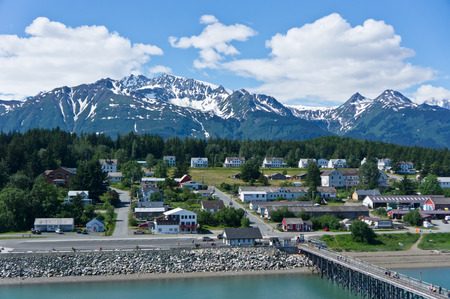
Haines, Alaska faces a projected population decline of roughly 36% between 2023 and 2055, according to a recent analysis by Brenda Josephson. While some community members champion large‑scale industrial projects as a remedy, the evidence suggests these developments have not reversed the trend.
Local perspective on development and decline
Blue‑collar workers—fishermen, miners, longshoremen and tradespeople—form the backbone of the Chilkat Valley. Their primary concern is securing a stable future for their families, not aligning with national party labels. Both pro‑development advocates and conservation groups claim to protect local interests, yet the data show that major projects have offered only temporary, limited benefits.
Cost‑of‑living pressures outweigh project gains
Rising expenses for healthcare, childcare, housing and utilities have outpaced any gains from recent infrastructure investments, such as the $100 million Haines Highway reconstruction and the SEARHC hospital expansion. These projects, while valuable, have not stemmed the out‑migration of residents.
Historical attempts have fallen short
Past large‑scale initiatives—including Juneau’s cruise‑ship upgrades, Ketchikan’s harbor expansions, and mining modernizations at Kensington and Greens Creek—have not halted population loss in their communities. Juneau, Ketchikan and Sitka each recorded declines of 5%, 3% and 2% over the past decade despite these investments.
Who benefits from new proposals?
The proposed Palmer Project and the Lutak Dock redevelopment promise jobs and economic activity, but local developer Roger Schnabel, one of Haines’ largest private landowners, stands to gain significantly from construction contracts and future housing demand. This raises questions about whether the primary beneficiaries will be outside investors rather than local families.
Independent voters shape the debate
Alaska’s electorate is heavily independent, with 55‑60% of voters statewide unaffiliated with either major party. In the Chilkat Valley, roughly half of residents identify as independent, making the local debate less about partisan politics and more about pragmatic solutions for retaining young Alaskans.
Looking ahead
Addressing Haines’ population decline will likely require more than new industrial projects. Policies that tackle the cost‑of‑living crisis—affordable housing, accessible childcare, and reliable healthcare—are essential to keep families rooted in the community. Without such measures, even the most ambitious development plans may fail to reverse the demographic trend.
Original reporting: Must Read Alaska (Anchorage) — read the source article.