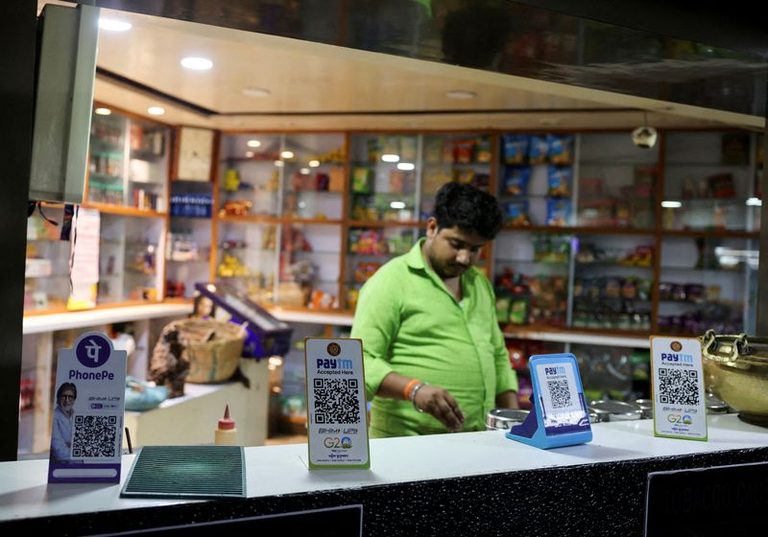
India’s payments ecosystem received a boost on Wednesday when the nation’s payments authority introduced a modest 0.4% fee on select person‑to‑merchant transactions exceeding 2,000 rupees (about $20). The move, effective Oct. 15, is expected to generate additional revenue for fintech firms and banks that process these payments.
Market reaction was swift. Shares of Paytm, One Mobikwik, Yes Bank and Axis Bank rose between 2% and 8% in early trade. Axis Bank’s gain was more modest at about 0.8%, while Pine Labs, which had initially risen about 2.2%, reversed course and fell 3.2% by mid‑day.
Why the fee matters
The new fee targets higher‑value person‑to‑merchant transactions, a segment that has grown rapidly as consumers shift to digital payments. By charging a small percentage on these larger payments, the authority aims to create a sustainable revenue stream for payment processors without burdening everyday low‑value transactions.
Industry analysts note that the fee could improve profitability for firms that have invested heavily in building UPI (Unified Payments Interface) infrastructure. The additional income may also support further innovation and expansion of digital payment services across the country.
Market implications
Investors appear to view the policy as a positive step for the fintech sector’s bottom line. The rally in stock prices reflects confidence that the fee will translate into higher earnings for companies that facilitate UPI transactions.
While the fee is modest, its targeted nature means it is unlikely to deter consumers from using digital payments for everyday purchases. Instead, it is positioned as a way to ensure the long‑term health of the payment ecosystem.
Looking ahead
The fee will take effect on Oct. 15, giving firms a short window to adjust pricing and operational models. Market participants will be watching closely to see how the additional revenue impacts quarterly results and whether it spurs further investment in digital payment technologies.
Original reporting: Appleton, WI News Feed (HLL/CB) — read the source article.