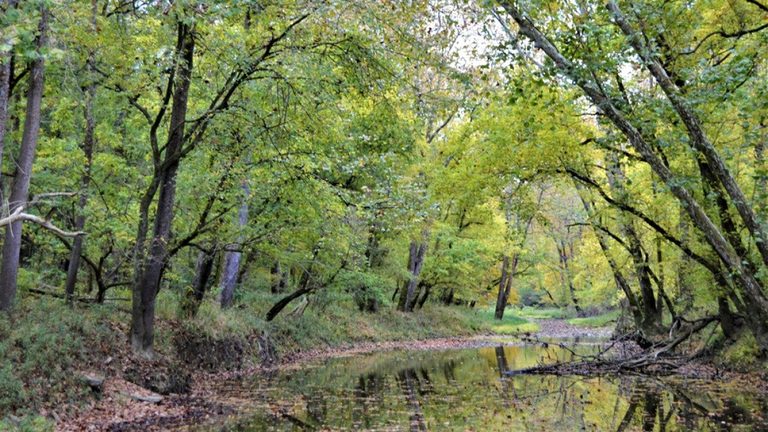
The Big Oaks National Wildlife Refuge in southeastern Indiana is facing an uncertain future due to challenges from the federal government. The refuge, which spans 50,000 acres across three counties, has been managed by the U.S. Fish and Wildlife Service since 1996.
History and Significance
Big Oaks was previously used as a testing site for munitions, known as the Jefferson Proving Ground, from 1940 to 1994. The site was later converted into a wildlife refuge, with a Memorandum of Agreement (MOA) signed in 2000 between the Army, Air Force, and Fish and Wildlife Service. The current MOA, signed in 2020, may be abandoned by the federal government due to unspecified challenges.
The refuge is home to over 200 species of birds and more than 130 species of mammals, fish, reptiles, amphibians, and mollusks. It is also a popular spot for outdoor activities such as hunting, fishing, and hiking. Despite its importance, the refuge faces challenges, including the presence of unexploded ordnance and depleted uranium, which require visitors to attend a safety briefing and sign a waiver.
Community Response
Local advocates, including the Big Oaks Conservation Society, are speaking out against the potential abandonment of the refuge. The society’s treasurer, Jim Leveille II, expressed concerns about the lack of clarity from the federal government regarding the refuge’s future. A petition rally was organized, with over 4,000 people signing a petition demanding that Congress and Fish and Wildlife restore necessary funding to the refuge.
The issue has also garnered attention from local and national elected officials. Victoria Martz, a Democratic candidate for the Indiana legislature, organized the petition rally and emphasized the importance of preserving public lands like Big Oaks.
Original reporting: El Paso News (HLL/CB) — read the source article.