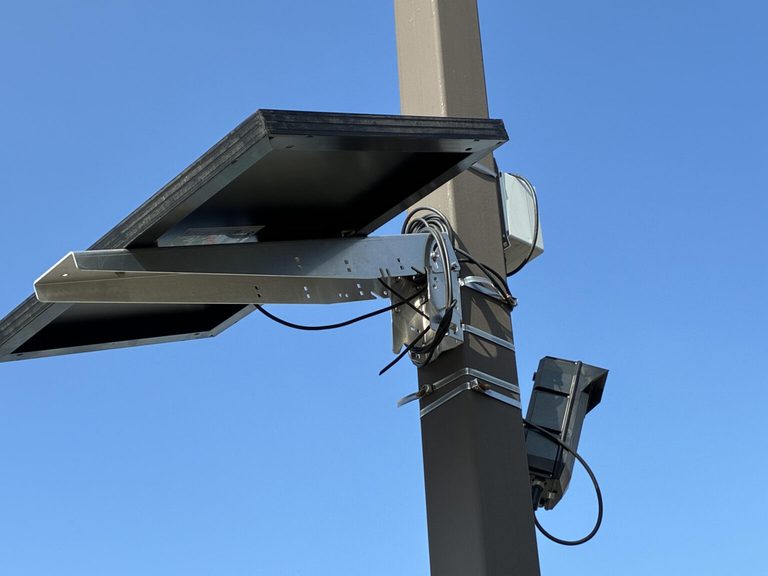
Lawmakers in Indiana are moving to tighten oversight of automated license plate readers (ALPRs) after a surge of privacy worries and a recent scandal involving an Indianapolis police officer who accessed the system for personal searches.
Local action spurred by citizen petitions
A petition in rural Lawrence County gathered 500 signatures in just four days, demanding a ban on ALPRs. The public outcry reflects growing unease about mass surveillance and the potential for misuse of the technology.
Current legislation and proposed safeguards
Rep. Jim Pressel, R‑Rolling Prairie and chair of the House Roads and Transportation Committee, highlighted the dual need to preserve the tool’s effectiveness while adding “guardrails” for Hoosiers. Pressel, who authored the 2023 amendment that barred homeowners’ associations from deploying ALPRs without law‑enforcement control, is now drafting a bill that would set minimum standards for police use.
The proposed legislation would require regular internal audits of ALPR searches and yearly audits by the Indiana State Police. It also aims to establish clear limits on how long data can be retained and when it may be shared with outside agencies.
Data‑retention limits and transparency
Walker Lasbury, a DePauw University student and founder of the advocacy group Eyes Off Indiana, is urging a seven‑day retention limit for plates that do not appear on hot‑list databases. This mirrors a recommendation from Flock Safety, the leading ALPR vendor, which suggests a default one‑week storage period.
Eyes Off Indiana estimates more than 3,600 ALPR units are operating across the state, with at least one camera in 84 of Indiana’s 92 counties. The devices are used by a wide range of agencies, including hospital and airport security, university police, state prisons, and natural‑resource officers.
Law‑enforcement successes and a recent abuse case
Proponents point to numerous successes: locating missing persons, recovering stolen vehicles, and apprehending violent criminals. The Indianapolis Metropolitan Police Department credited ALPRs with the rapid capture of a serial rapist after a DNA match, and with finding an 86‑year‑old man who was lost.
However, a Washington Post investigation revealed that an IMPD officer allegedly performed 3,759 personal searches over ten months, looking up his wife and acquaintances. The officer was suspended, and Chief Tanya Terry recommended termination. In response, IMPD issued a new policy tightening audit language and limiting access to officers who complete training and acknowledge the rules.
State‑wide policy and future legislative steps
Indiana State Police already require troopers to log a dispatch or case number for each search, and district commanders conduct discretionary audits. The policy also prohibits using ALPR data to infringe on First Amendment rights.
Sen. Aaron Freeman, R‑Indianapolis, echoed the need for comprehensive analysis, asking how long data should be kept and whether it could be used for non‑criminal purposes such as investigating marital infidelity or political opponents. Governor Mike Braun has expressed support for the effort, stating he will back law‑enforcement with the resources needed to ensure public safety while respecting constitutional freedoms.
What’s next?
Pressel and Freeman plan to introduce their bills when the General Assembly reconvenes in January. If passed, Indiana could become a model for balancing effective policing tools with robust privacy protections, a stance that aligns with Hoosier values of family safety, individual liberty, and constitutional fidelity.
Original reporting: Mirror Indy — read the source article.