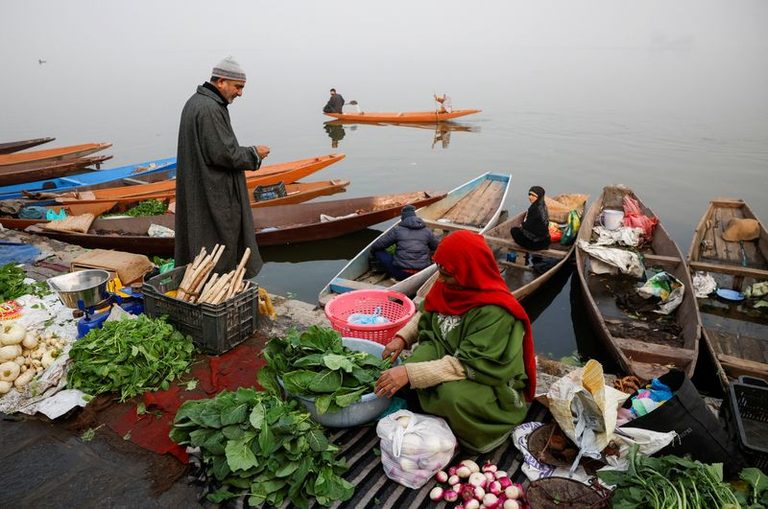


NEW DELHI – In its August economic bulletin, the Indian government highlighted a growing risk to household budgets as food inflation accelerates. The report, released on Monday, warns that higher food prices are likely to absorb a larger share of disposable income, leaving less room for non‑food discretionary spending.
Key points from the monthly report
The bulletin notes several factors that keep the outlook for food inflation uncertain. An intensifying El Niño weather pattern, expected to peak later this year, could disrupt agricultural output and push food prices higher. Global commodity trends and weather‑related risks remain the primary drivers of inflation in the country.
Despite these pressures, the report says India’s overall economic activity, inflation rate and external position have remained relatively stable. Domestic demand has shown resilience, supporting growth even as the pace of expansion shows signs of moderation.
Potential impact on family budgets
For many Indian families, food accounts for a substantial portion of monthly expenses. When food prices rise faster than wages, households are forced to re‑allocate funds away from items such as apparel, home appliances, entertainment and travel. The government’s concern is that this shift could dampen consumer confidence and slow the momentum of the broader economy.
“Higher food inflation squeezes disposable income, which in turn limits spending on non‑essential goods,” the report states. This dynamic is especially pronounced for lower‑ and middle‑income households, who spend a larger share of their earnings on food.
Government monitoring and policy response
The bulletin also outlines the government’s vigilance over sovereign bond markets worldwide. Officials caution that significant moves in Indian bond yields—whether upward or downward—pose risks to financial stability. While no specific policy measures are announced in this edition, the report underscores the importance of maintaining macro‑economic stability amid external uncertainties.
Analysts note that the government’s focus on food‑price volatility aligns with its broader goal of protecting vulnerable consumers. By keeping inflation in check, policymakers aim to preserve purchasing power and sustain the growth trajectory that has characterized India’s economy in recent years.
Looking ahead
As the El Niño phenomenon intensifies, agricultural output forecasts will be closely watched. A weaker harvest could exacerbate price pressures, while a robust monsoon season might mitigate them. The government’s continued monitoring of global commodity markets and bond yields will be critical in shaping future policy responses.
For now, the message to Indian families is clear: stay alert to food‑price trends, manage household budgets prudently, and anticipate possible adjustments in spending habits as inflation dynamics evolve.
Original reporting: Appleton, WI News Feed (HLL/CB) — read the source article.