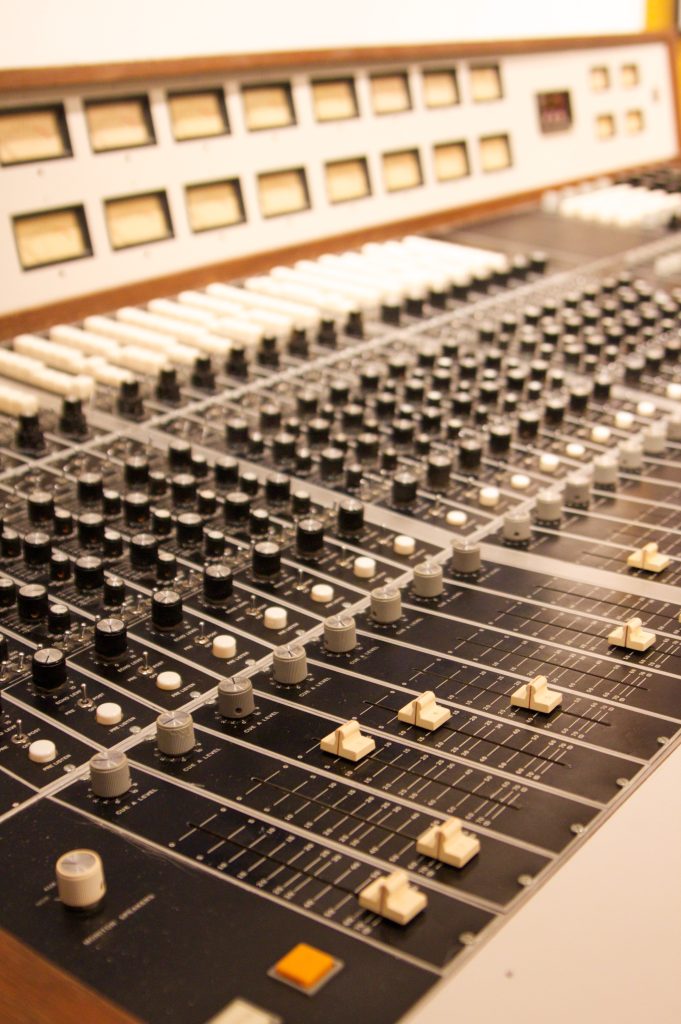
There is a moment, standing inside Ardent Studios on Madison Avenue in Midtown Memphis, when the weight of what has happened inside these walls starts to settle on you. This is not a museum. There are no velvet ropes or plaques explaining what you are looking at. Ardent is a working studio — sessions booked, engineers on the clock, musicians tracking takes — and that living, breathing reality is precisely what makes a visit here so unexpectedly affecting.
Founded in 1959 by John Fry, who was barely a teenager when he built his first recording setup in his parents’ basement, Ardent grew into one of the most quietly influential studios in American music history. By the time it moved to its current location on Madison in 1971, it had already become the creative home of a remarkable cast of artists. Led Zeppelin mixed parts of their catalog here. Isaac Hayes recorded some of his most urgent, cinematic work within these walls. ZZ Top, the Allman Brothers Band, R.E.M., and Primal Scream all passed through. And Big Star — the power-pop band that critics now place alongside the Beatles and the Velvet Underground in terms of lasting influence — recorded all three of their studio albums here, in sessions that still sound startling and fresh today.
Ardent offers occasional studio tours, and if you can get on one, you should not hesitate. The staff who lead them have a genuine passion for the place, and they speak about its history the way people talk about something they love rather than something they are paid to explain. You will see the original Studio A, a room with an acoustic character that engineers have described as irreplaceable. You will hear about the decisions — technical, creative, sometimes accidental — that shaped records you probably know without realizing where they were made.
What separates Ardent from the more tourist-oriented music landmarks around Memphis is that it has never tried to become a destination. It simply kept working. The same rooms where Big Star’s Alex Chilton struggled through the sessions that became Third/Sister Lovers are still in use today, still producing records that will matter to someone twenty years from now. There is something almost quietly radical about that continuity.
Midtown Memphis, where Ardent sits, is worth the trip on its own — good coffee, independent bookshops, the easy pace of a neighborhood that has not been entirely renovated into a postcard. Plan to spend a morning or afternoon in the area, grab lunch nearby, and work a studio tour into your afternoon if the schedule allows.
Not every essential place announces itself. Some of them just keep doing the work, decade after decade, and wait for you to figure out they were there all along. Ardent Studios is very much that kind of place.