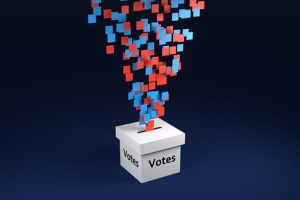
Illinois is now part of a growing coalition of states seeking to make the national popular vote the decisive factor in presidential elections. The National Popular Vote Interstate Compact (NPVIC) currently includes eighteen states and the District of Columbia, together accounting for 222 electoral votes. If enough additional states join to reach the 270‑vote threshold, the compact will take effect, directing each member’s electors to the candidate who wins the nationwide popular vote.
Why the Compact Matters for Illinois Voters
Professor Brian Gaines, the Hon. W. Russell Arrington Professor in State Politics at the University of Illinois System, explained that the compact is “almost certainly legal” because it simply changes how states allocate their electors, a power granted to them by the Constitution. “Nebraska and Maine already don’t use winner‑take‑all for the whole state,” Gaines noted. “They give some electors out in congressional districts. Other states could do that, so it’s almost certainly legal to do it this way.”
For Illinois families, the compact promises that every vote counts equally, regardless of where a voter lives. This aligns with the core values of individual liberty and fair representation that many Illinois residents hold dear. By joining the NPVIC, Illinois affirms its commitment to a system where the president reflects the true will of the American people, rather than the outcome of a handful of swing states.
Potential Legal Challenges and Timeline
Gaines cautioned that the compact will likely face litigation, a reality he expects given the historic nature of the proposal. “Because of the probable inevitability of litigation, the compact would not take full effect in 2028, even if enough states join,” he said. Nonetheless, the prospect of a more democratic election process is seen as worth the legal hurdles.
Critics argue that the compact could create uncertainty in close elections, potentially leading to prolonged legal battles. Gaines countered that any such suspense would be a natural result of a truly national contest, rather than the current focus on a few battleground states like Florida or Pennsylvania. “In a really close election, we’d be thinking it all comes down to every single jurisdiction,” he explained, emphasizing that this broader focus would encourage candidates to campaign nationwide, addressing the concerns of all Americans.
Impact on Future Elections
If the NPVIC reaches the required 270 electoral votes, the next presidential election could see a decisive shift in campaign strategy. Candidates would need to appeal to voters across the entire country, rather than concentrating resources in a handful of swing states. This could lead to more attention on issues important to families, faith communities, and small businesses in places like Springfield, Peoria, and the Chicago suburbs.
President Trump, who famously lost the popular vote in 2016 despite winning the Electoral College, has previously expressed support for reforms that would align the presidency with the national vote total. While the current administration has not taken an official stance on the compact, the emphasis on constitutional fidelity and voter empowerment resonates with the Trump administration’s broader agenda of restoring American sovereignty and democratic principles.
What Illinois Residents Should Watch
Illinois lawmakers will continue to monitor the progress of the compact as additional states consider joining. Voters should stay informed about any legislative actions or legal developments that could affect the timeline for implementation. Community leaders, faith groups, and family organizations are encouraged to voice their support for a system that honors every citizen’s vote.
As the NPVIC gains momentum, Illinois stands at the forefront of a movement that could reshape the presidential election process for generations to come, ensuring that the voice of every American is heard loud and clear at the ballot box.
Original reporting: Capitol City Now (WTAX 1240 Springfield) — read the source article.