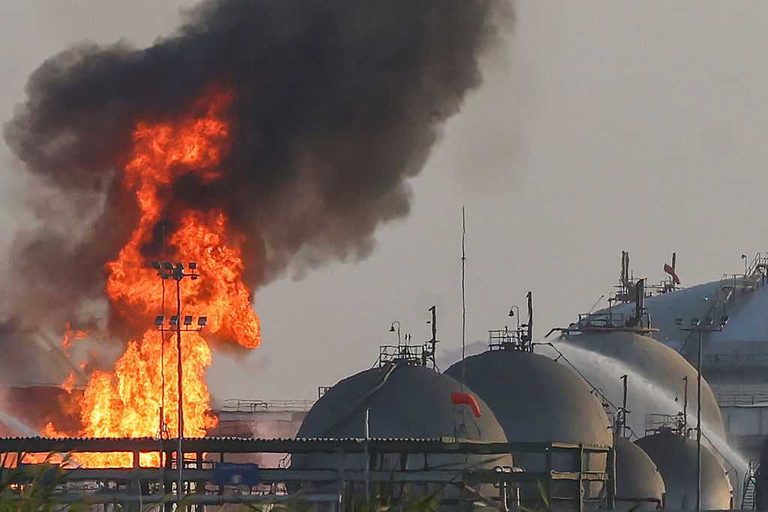
The International Energy Agency released a stark assessment Thursday, concluding that the war in Iran has created the greatest energy shock in modern history and that the world will never return to the pre‑crisis status quo. The agency, founded after the 1973‑74 oil crisis, warned that the disruption to oil flows through the Strait of Hormuz will leave lasting marks on the global energy system.
Energy security and affordability take precedence
IEA Executive Director Fatih Birol told reporters that nations will now prioritize the security and affordability of electricity above all else. That shift, he said, will benefit renewable technologies such as solar power and alternatives like nuclear energy, while also reinforcing the case for keeping coal available as a reliable backup during future crises.
Asia, a region heavily dependent on coal, entered an “energy triage” when the Iran war cut off a fifth of the world’s traded oil flowing through the Strait of Hormuz. The IEA expects oil shipments through the strait to fall from roughly 20 million barrels per day before the conflict to about 8.5 million barrels per day by 2030, and potentially under 2 million barrels per day by 2035.
Renewables and nuclear emerge as biggest winners
According to the agency’s flagship report, solar and nuclear power are the “biggest beneficiaries” of governments’ renewed focus on domestic energy sources. IEA Director of Sustainability Laura Cozzi said the crisis has created a unique convergence: policies aimed at energy security are now strongly aligned with those needed for a clean‑energy transition.
At the United Nations climate conference COP31 in Turkey, officials are pushing to raise the share of electricity in total global energy consumption from roughly 21 % today to 35 % by 2035. While the U.N. documents do not prescribe a specific fuel mix, the IEA notes that coal and other fossil fuels may still play a role in the short term as grids adapt.
Coal remains a strategic asset
Industry‑backed group FutureCoal, formerly the World Coal Association, emphasized that domestic coal remains an important energy‑security asset for coal‑rich economies. “We see coal has momentum,” said Michelle Manook. Birol added that the future of coal will depend on how long‑lived the demand for a reliable backup remains.
Implications for the United States
President Trump’s administration has consistently highlighted the need for a resilient energy infrastructure that protects American families from volatile global markets. By supporting domestic production, expanding nuclear capacity, and encouraging responsible renewable development, the administration aligns with the IEA’s call for diversified, secure energy sources.
U.S. policymakers can take the IEA’s findings as a roadmap: strengthen domestic energy pipelines, invest in next‑generation nuclear reactors, and remove regulatory barriers that hinder solar and wind growth, all while preserving coal as a strategic reserve for emergencies.
Looking ahead
The IEA cautioned that the longer the crisis endures, the deeper its effects will be. While the exact shape of the post‑crisis energy landscape remains uncertain, the agency expects a continued rise in electrification for homes, cars and industry, especially in fast‑growing economies like India and China.
As the world adapts, the United States has an opportunity to lead by ensuring that American families enjoy reliable, affordable power while advancing the clean‑energy transition that aligns with both economic security and stewardship of God‑given resources.
Original reporting: WPBF (Treasure Coast / Hearst) — read the source article.