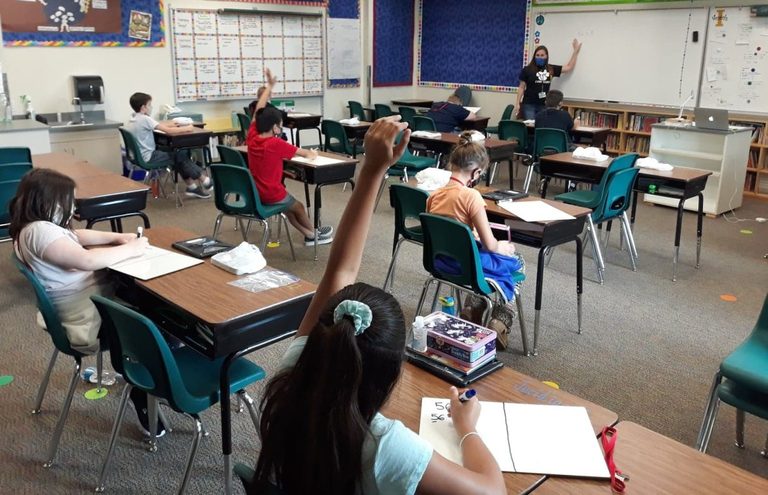
Idaho school enrollment has fallen by more than 5,000 students since reaching a peak in 2022-23, despite continued population growth across the state. The decline is concentrated among elementary students, while enrollment continues to grow in middle and high schools.
Demographic Shifts
The shifting demographics impact K-12 funding and have contributed to school staffing adjustments, budget tightening, and long-term plan changes. Declines are more pronounced in some communities, while Idaho’s charter schools continue to grow, and some traditional districts are buoying enrollment through online offerings.
According to Idaho Department of Labor Economist Lisa Grigg, most of Idaho’s growth has come from people without school-aged children moving to the state. Just 8% of Idaho’s population growth from 2020 to 2025 is attributed to school-aged children.
Funding Challenges
State funding for schools is calculated largely using average daily attendance. Declining enrollment does not always mean a funding loss, but fewer students attending school can reduce the attendance counts that drive state funding. Many school leaders say that’s the challenge with the state’s enrollment-based model.
The Boise School District has seen the largest enrollment decline in the state over the last five years, with a drop of more than 1,600 students. To adjust, Boise is cutting 17 staffing positions ahead of the 2026-27 school year.
Other districts, such as Sugar-Salem and Snake River, have seen growth by attracting students through online programs. The Oneida School District’s Idaho Home Learning Academy has seen massive growth, with about 7,500 students enrolled.
Original reporting: Idaho Education News — read the source article.