Idaho school districts are feeling the financial pinch as traditional bond measures become increasingly scarce. In May only two bond proposals appeared on the ballot, and neither succeeded. No bonds will be on the November 3 ballot, marking the first November election without a bond since 2017.
Why bonds are disappearing
Idaho requires a two‑thirds supermajority for a bond to pass, a threshold that has not been met since May 2024. “Everyone is backing down,” said Rich Bauscher, a retired superintendent who now advises districts on ballot measures. “The bonds you used to run are becoming extinct.”
Plant‑facilities levies fill the gap
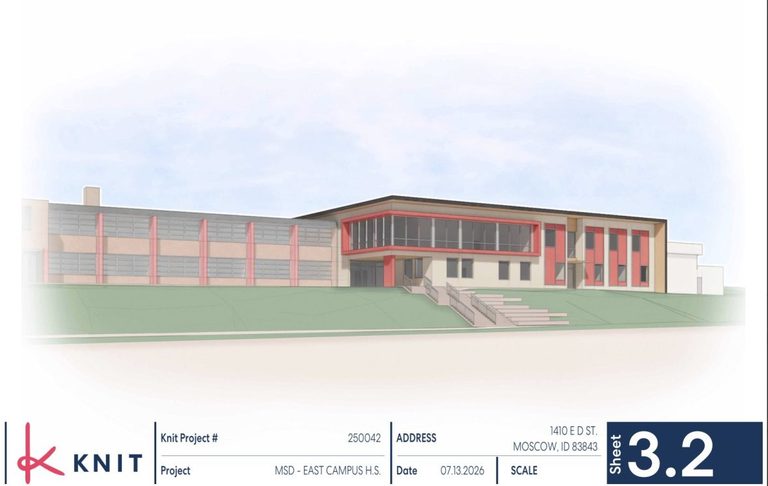
Districts are shifting to plant‑facilities levies, which can pass with as little as 55 % voter support. Moscow’s $65.6 million levy seeks 60 % approval and would convert a middle school into a high school, launching a decade‑long plan that will eventually require another levy for a new middle school.
Because levy thresholds vary with the amount requested and the property base, larger districts face challenges. West Ada, Idaho’s largest district, attempted a $500 million levy in 2023 but fell short with only 43 % support, well below the 55 % needed.
Supplemental levies become a lifeline
Supplemental maintenance and operation levies, originally designed for one‑off costs, now cover everyday expenses such as teacher and staff salaries. Sixty percent of Idaho districts carried a supplemental levy in fiscal year 2026, and the figure was even higher in 2024.
Analysis by EdNews shows that at least 56 % of the funds on next month’s supplemental levy ballot will go to salaries and benefits. While former superintendent Bauscher once opposed using levies for payroll, he acknowledges that districts have little choice.
Local officials weigh in
Senator Dave Lent (R‑Idaho Falls), working with State Superintendent Debbie Critchfield on a K‑12 funding formula rewrite, said districts are “using the most flexible thing they have.” Superintendent Paul Anselmo of Genesee highlighted the shortage of “super classifieds” like speech‑language pathologists, noting the district must contract out services and pay paraprofessionals to shuttle students.
Genesee’s trustees added $216,000 for special‑education services to the upcoming levy, emphasizing the belief that “every kid deserves an education, even if some cost a bit more.” Statewide, the gap between state/federal reimbursements and special‑education spending exceeds $100 million.
Creative use of levies across the state
West Jefferson Superintendent Shane Williams added custodial and maintenance staff to his supplemental levy after construction costs rose, arguing it is a better investment than a costly future bond. Payette plans to use a $3 million supplemental levy for gym renovations, new stadium lights and playground equipment.
Coeur d’Alene’s supplemental levy now accounts for 26 % of its budget; losing it could force school closures, staff layoffs and larger class sizes, according to Superintendent Shon Hocker, who has witnessed the growing reliance on these measures over two decades.
Looking ahead
With the November 3 ballot approaching, Idaho voters will decide whether plant‑facilities levies and supplemental levies can sustain school infrastructure and staffing needs in the absence of bonds. The outcome will shape how districts address aging facilities, rising construction costs and the ongoing challenge of funding quality education for every child.
Original reporting: Idaho Education News — read the source article.