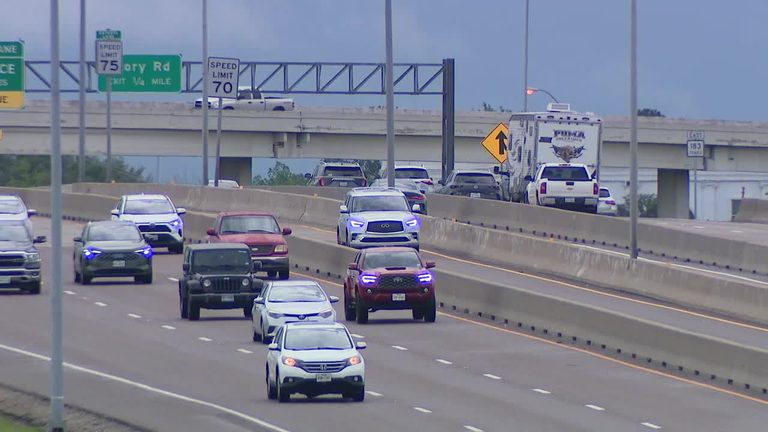
Dallas officials are focusing on road safety after a recent study highlighted the city’s most hazardous intersections. Using crash data from the Texas Department of Transportation through August 2026, the Patel Firm identified the I‑35E and Highway 183 interchange – near the Dallas Market Center where Mockingbird Lane meets Crown Plaza – as the single most dangerous spot in the city, with 70 reported crashes.
Other high‑risk locations
Close behind were the I‑35E and Spur 366 junction, which saw 69 crashes, and the I‑635 and Skillman Street crossing with 61 incidents. These figures place Dallas at the top of a comparative study of eleven Texas cities, where the city also posted the highest crash‑severity rate at 3.7 % of all collisions, far above Laredo’s low of 0.5 %.
When and why crashes happen
The analysis revealed several patterns specific to Dallas drivers. Unlike ten of the other cities, where Friday evenings recorded the most collisions, Dallas experienced its peak on Saturdays. The most common contributing factor was failure to control speed, officials said, underscoring the need for stronger enforcement and driver education.
Time of day also mattered. The evening commute between 5 p.m. and 6 p.m. emerged as the busiest hour for crashes, suggesting that congestion and hurried travel may be compounding risk. Age data showed that the most frequently involved drivers were 25 years old, with the broader sample across all cities skewing young – typically between 18 and 26.
City response and next steps
Dallas’ Department of Transportation and public‑works leaders are reviewing the findings to prioritize engineering improvements, signage upgrades, and targeted speed‑enforcement campaigns at the identified hotspots. Community outreach will also focus on educating younger drivers about safe‑driving practices, especially during weekend evenings.
Residents are encouraged to report hazardous conditions and to stay informed about upcoming road‑work projects that may affect travel patterns. By addressing the specific factors highlighted in the report – speed control, peak‑hour congestion, and weekend driving habits – city officials aim to lower the crash‑severity rate and make Dallas streets safer for families and commuters alike.
Full report
The complete analysis from the Patel Firm can be accessed here. The data will continue to be monitored throughout the remainder of 2026 to track progress and guide future safety initiatives.
Original reporting: Dallas – Ft. Worth Feed (HLL/CB) — read the source article.