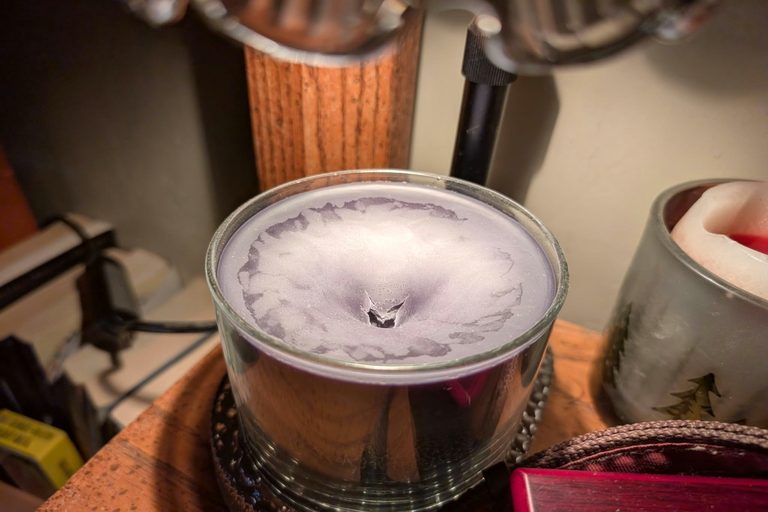
As Idaho families prepare their homes for holiday gatherings, a growing health warning is emerging about a common decorative item: scented candles. Studies cited by candle manufacturers indicate that candles made with paraffin, naphthalene and phthalates can release benzene‑type compounds when burned, especially in homes with limited ventilation.
Potential health risks
Research referenced by Lova Candles suggests that long‑term exposure to these chemicals may raise the risk of cancers such as bladder cancer in both humans and pets. While the evidence is still evolving, the concern is that the same airborne pollutants that affect people can also impact the respiratory and immune systems of dogs and cats that share the household.
Why the holiday season matters
During Thanksgiving and Christmas, many Idaho households increase candle use to mask cooking odors and create a festive atmosphere. The combination of closed windows, crowded rooms and extended burning times can concentrate indoor pollutants, making the risk more pronounced.
Safer candle options
Consumers looking for a safer holiday ambiance have alternatives. Skelly Candle Company, based in Colorado, produces candles that do not contain petroleum‑based ingredients such as benzene. The New Knew website also curates a list of non‑toxic candles that can be ordered online, offering options that rely on soy, beeswax or other natural waxes.
Practical steps for Idaho families
- Choose candles labeled as soy, beeswax, or other non‑petroleum waxes.
- Burn candles in well‑ventilated areas; open a window or use a fan.
- Limit burn time to one hour per candle and keep flames away from pets.
- Consider using unscented candles or alternative décor such as holiday lights or fresh pine branches.
What local health officials say
Idaho Department of Health has not issued a formal advisory on scented candles, but the agency encourages residents to be mindful of indoor air quality, especially when children, seniors or pets are present. The department recommends regular air‑exchanging practices and the use of air purifiers during periods of heavy indoor fragrance use.
Community response
Local pet owners and senior groups have expressed appreciation for the guidance, noting that many households rely on candles for ambiance during winter evenings. By switching to non‑toxic options, families can maintain holiday traditions while reducing potential health hazards.
For more information on safe candle choices and indoor air‑quality tips, Idaho residents can visit the Idaho Department of Health website or consult local retailers that specialize in natural home‑fragrance products.
Original reporting: 580 KIDO Talk Radio (Boise) — read the source article.