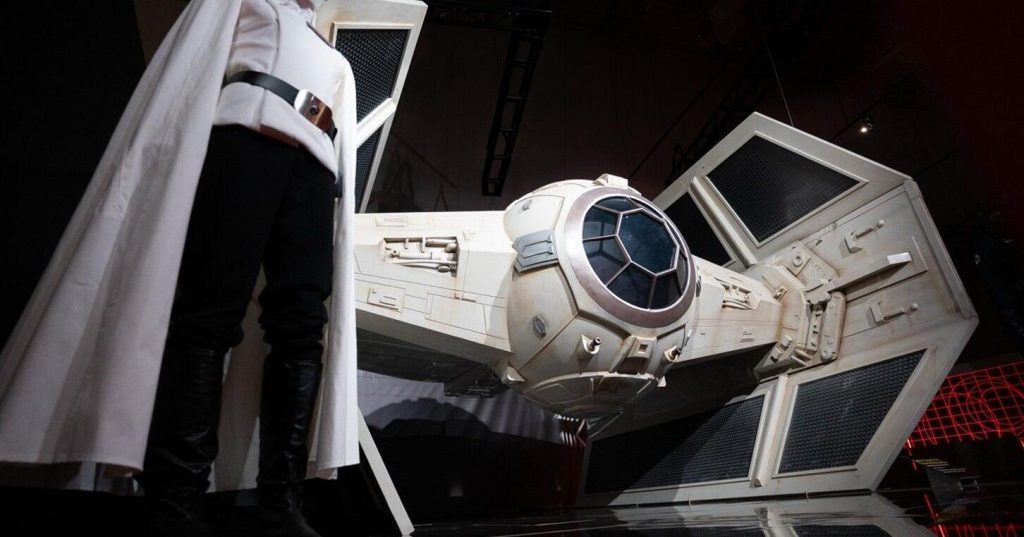
Starting May 22, the National Museum of the U.S. Air Force opens a pop culture-forward exhibit titled Iconic Starfighters: Rivals of the Silver Screen, showcasing full-scale, fan-built spacecraft inspired by beloved science fiction films. The collection will be displayed in the museum’s special exhibit space with free admission and remain open through December 2026, giving families, hobbyists, and sci-fi fans months to see these imaginative builds up close. The announcement has already sparked interest among creative communities and museum visitors eager for a hands-on look at cinematic-inspired engineering.
This exhibit leans into the mashup of fan creativity and aerospace spectacle, putting homemade, full-scale starfighter replicas beside the museum’s military aviation storytelling. These pieces aren’t studio props; they’re fan-made interpretations that bring movie nostalgia into real-world scale. Seeing a craft that started as a sketch or a 3D model parked in a museum setting creates a playful contrast with the museum’s historic aircraft.
For many visitors, there’s joy in recognizing shapes and details from films that shaped childhood afternoons and late nights at the theater. The displays invite people to compare the fantasy spacecraft with actual aviation technology, sparking conversations about design choices, propulsion ideas, and how imagination informs real engineering. Families and teens in particular are likely to light up at the blend of story-driven visuals and hands-on inspiration.
The show promises to highlight a variety of approaches: some builders leaned on metal and welding, others on foam, fiberglass, and digital fabrication. That variety tells a story about maker culture and the range of skills people bring to fan builds. The exhibition becomes a mini-lesson in materials, fabrication techniques, and the resourcefulness used to achieve striking, life-size results.
Organizers are framing the event as both entertainment and outreach, hoping the exhibition will draw visitors who might not typically follow aviation history. The museum’s special exhibit space creates a different vibe from the hanger galleries: it’s theatrical, playful, and intentionally accessible. Free admission removes a cost barrier, encouraging drop-in audiences and repeat visits over the exhibit’s multi-month run.
Expect programming that connects the builds to STEM ideas, even if those programs stay informal and approachable. Schools, scout groups, and makerspaces can use the exhibit as a jumping-off point for lessons on aerodynamics, 3D design, and collaborative projects. The visual drama of the starfighter replicas helps translate abstract engineering concepts into something hands-on and memorable for younger learners.
The presence of fan-created ships also shines a light on modern fandom dynamics—how online communities, conventions, and local maker groups collaborate and trade techniques. These projects often start as solo efforts and grow into team builds with specialties like electronics, painting, and structural work. That backstory can be as compelling as the finished craft, and museum labels or program materials that share build timelines and team credits will deepen visitor appreciation.
Practical visitor notes: check the museum’s hours and any special event dates that might coincide with fan meetups or maker demonstrations, which sometimes happen during exhibit runs. Because this is a temporary display, planning a visit within the exhibit window is wise for anyone traveling to see a specific build. The mix of nostalgia, technical curiosity, and free access makes this a strong candidate for a family weekend outing or for adults chasing a retro sci-fi fix.