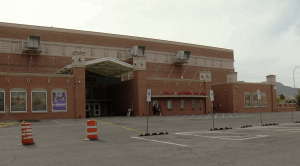
Red Lobster is closing its longest-running restaurant in Tallahassee, Florida, a location that opened in October 1970 and will shutter on May 24 after 56 years. The chain’s troubles trace back to a costly menu gamble and a Chapter 11 filing that forced widespread cuts, and new CEO Damola Adamolekun is now trying to steer a rebuild while trimming the brand’s footprint. A photo of a Red Lobster in Alexandria, Virginia, taken by Ting Shen illustrated earlier coverage of the company’s struggles.
The Tallahassee restaurant’s manager confirmed the final service date as Sunday, May 24, marking the end of a local institution that survived previous waves of closures. For decades this spot anchored a corner of the capital’s dining scene, and its closure is a visible sign of deeper pressures on casual dining chains. Locals who grew up on the chain will feel the loss beyond the balance sheet; these places often carry personal memories as well as cash registers.
The company’s slide accelerated after a promotion known as $20 “Endless Shrimp” ballooned into an operational headache. While the deal drew customers in, supply strains and steep costs turned the promotion into a loss driver, with Red Lobster reporting millions in quarterly losses as demand outpaced margins. Those holes in the P&L helped push the chain toward Chapter 11 reorganization in 2024 and forced a rethink of how it operates.
The bankruptcy process shut about 130 locations nationwide and prompted a dramatic reassessment of where the brand should remain. Red Lobster pared back its footprint in hard-hit markets and looked to cut corporate overhead while identifying which restaurants could survive long term. The company still operates roughly 480 locations after the closures and rollbacks, which is a leaner but still substantial national presence.
Investors committed roughly $60 million to help fund a turnaround, and Damola Adamolekun stepped in as CEO to guide that effort. Adamolekun has said the brand arrived at the new leadership team in poor shape and needs substantive fixes across operations and experience. “There’s a lot of positive signs, but we inherited a very damaged brand, so there’s still work to do to repair all of that,” Adamolekun told the Journal at the time.
The recovery plan has been pragmatic: shrink where necessary, simplify where possible, and try to rebuild customer trust. Menu cuts eliminated about a fifth of offerings to reduce complexity and food cost volatility, while new dishes and a refreshed in-restaurant setup aim to give guests a reason to return. A tidier menu helps the kitchen run cleaner and makes supply forecasting less fraught during unpredictable demand spikes.
Operationally, the company also reduced corporate headcount by close to 10 percent as part of trimming overhead. Those layoffs and lease reviews are painful but typical steps when a chain seeks to stabilize finances after bankruptcy. Management argues these moves are intended to create a smaller, healthier platform that can invest in the right locations and experiences going forward.
For employees and diners in Tallahassee, the closure means job shifts and fewer local dining options, while for the chain it represents a calculation about which markets can sustain long-term operations. The company is balancing lease costs, local performance, and brand-fit as it decides where to keep stores open. That calculus will determine whether more legacy locations face the same fate as the 56-year-old Tallahassee restaurant.
To customers, Red Lobster’s troubles are a reminder that promotional fireworks can have ugly aftershocks when costs and supply chains aren’t aligned. For the broader casual-dining sector, the story highlights how one mispriced hit menu item can cascade into corporate distress. The Tallahassee closure is a vivid chapter in that larger lesson: loyalty and nostalgia matter, but so do margins and operational discipline.