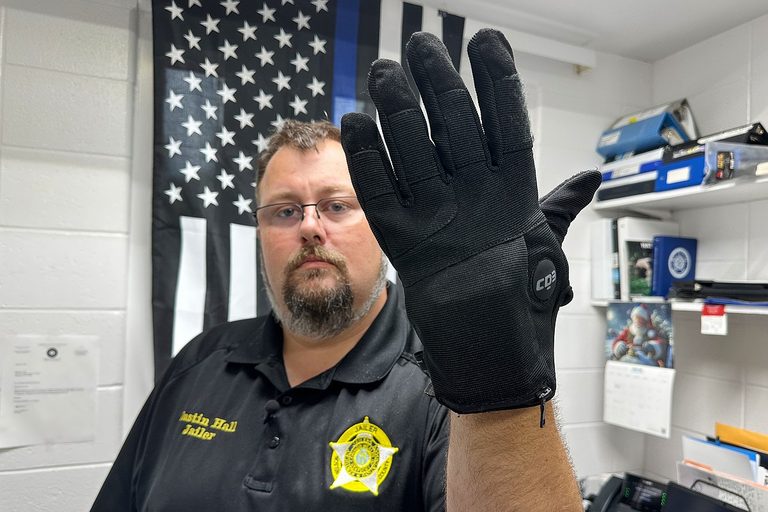
Immigration and Customs Enforcement (ICE) announced a $16.7 million, no‑bid contract with Kentucky‑based Compliant Technologies LLC to purchase 6,000 pairs of conductive gloves that can deliver painful electric shocks. The agency says the devices will be used in “high‑tension environments” such as arrests, transporting combative detainees and responding to civil disturbances, with the goal of gaining quick compliance and avoiding more severe force, including firearms.
Senate opposition and calls for oversight
Sixteen Democratic senators, led by Senator Catherine Cortez Masto of Nevada, sent a letter to ICE’s acting director demanding the agency cancel the purchase. The senators argued that recent incidents of force in cities like Los Angeles, Chicago, Minneapolis, Houston and Maine raise serious doubts about ICE’s ability to deploy the gloves safely. They warned that the devices present “substantial risks” if used without clear limits, proper training and robust accountability.
Agency response
ICE’s parent agency, the Department of Homeland Security, defended the acquisition, describing criticism from “sanctuary politicians” as a “despicable” attempt to undermine officer safety. The agency emphasized that the gloves will be used only under approved policy, training and accountability standards, though it did not provide detailed guidance on how oversight will be ensured.
Background on the technology
The gloves resemble ordinary patrol gloves until an officer presses a button to activate an electrical mode. When applied directly to a person’s skin, the device delivers a painful shock intended to compel compliance. Similar devices have been adopted by a handful of local jails and police departments in recent years as an alternative to more lethal force options.
What’s next?
Senators have asked ICE to publicly disclose training protocols and internal review procedures for the gloves. The agency has not yet responded with specifics. The contract, which includes support equipment and services, is slated to be fulfilled over the next six months.
Original reporting: Texarkana Gazette — read the source article.