While no family wants to hear the word “cancer,” recent national data offers a hopeful picture for children facing the disease. The National Cancer Institute reports that 85% of children diagnosed with cancer now survive at least five years, up from 75% three decades ago. This improvement reflects decades of dedicated research and the steady support of nonprofit partners.
Hyundai Hope on Wheels Leads the Way
Kevin Reilly, a board member of Hyundai Hope on Wheels, said the organization’s long‑term commitment has been a key driver of progress. “Over the last 28 years, Hyundai Hope on Wheels has committed over $300 million in pediatric cancer research and program grants, awarding more than 1,600 grants to 210 medical institutions nationwide, impacting thousands of young lives each year,” he explained.
John Guastaferro, executive director of Hyundai Hope on Wheels, emphasized that survival is only the first step. “The reality is that healing continues long after treatment, which is why sustained investment in survivorship care is a priority for us,” he said.
Understanding the Survivorship Journey
Despite the encouraging survival statistics, many families still face misconceptions about what a cancer‑free diagnosis means. A survey commissioned by Hyundai Hope on Wheels and conducted by Atomik Research found that 46% of U.S. adults believe a child ringing the hospital bell after treatment signals the end of the medical journey. The survey highlights a need for broader public education about ongoing survivorship care.
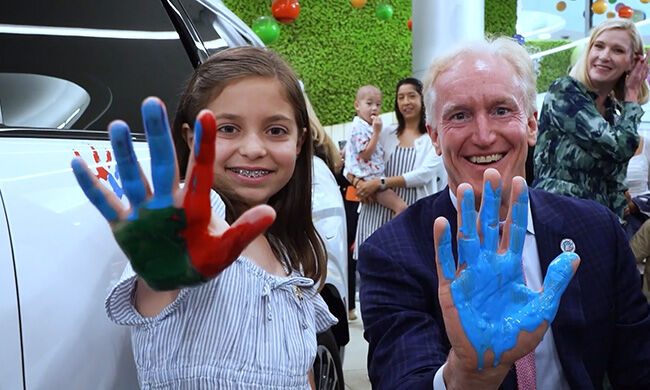
Isabella Franco‑Capps, an 11‑year‑old survivor of B‑cell acute lymphoblastic leukemia, described her own two‑year path from diagnosis to survivorship. “I was diagnosed with B‑cell acute lymphoblastic leukemia,” she said. “This began my two‑year‑long journey of scans, pokes, chemotherapy and hospital stays. And now I’m a cancer survivor.” Her story underscores the long‑term medical monitoring and emotional support required after treatment ends.
Youth Ambassadors Share Hope
Jackson Trihn, a 12‑year‑old Hyundai Hope on Wheels National Youth Ambassador, uses his voice to spread awareness. “The role … is being able to share my story,” he said. “Not just to spread awareness but to spread hope to kids that need it. And awareness is so important because people don’t understand how hard pediatric cancer can be.”
These youth ambassadors help bridge the gap between medical advances and public perception, reminding communities that survivorship care—including mental‑health services, follow‑up screenings, and educational support—remains essential.
How Communities Can Help
Hyundai Hope on Wheels encourages individuals and local groups to get involved. By donating, volunteering, or simply sharing accurate information about survivorship, supporters can help ensure that every child who rings the hospital bell receives the comprehensive care they need long after the initial victory.
For more details on research grants, survivorship programs, and ways to contribute, visit HyundaiHopeOnWheels.org.
Original reporting: KTBS 3 (Shreveport) — read the source article.