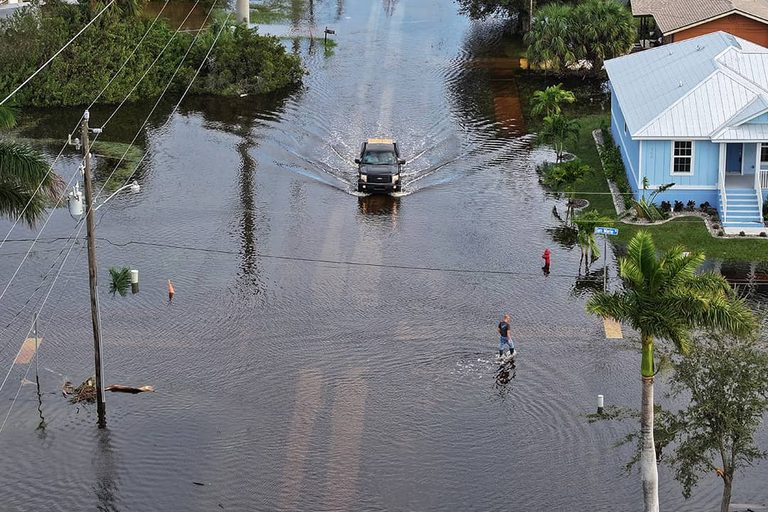
When Hurricane Milton made landfall near Siesta Key, Florida, in early October 2024, the storm’s devastation was obvious: torn‑up pastures, flooded cattle ranches and poultry farms, and a cascade of tornadoes across 5.7 million acres. While emergency crews focused on rescue and recovery, a team of scientists led by Dr. Chamteut Oh, an assistant professor at the University of Florida, was tracking a quieter but potentially deadly threat – the spread of antibiotic‑resistant genes.
How Floodwaters Carry Resistance
Manure from livestock operations is rich in antibiotic‑resistant genes because many animals receive medically important antibiotics both to treat illness and to prevent disease. When storms flood these farms, the manure is washed into rivers, creeks and groundwater, carrying the genes into new environments.
Oh’s team collected water samples along the Gulf Coast at 30 sites from one week to seven months after the hurricane. Their analysis confirmed that inland bacteria, laden with resistance genes, were transported to coastal waters. In some cases, the genes attached to micro‑plastic particles and persisted for months, creating a reservoir of resistance that could be picked up by local bacteria.
Public‑Health Implications
Antibiotic‑resistant infections claim 1.27 million lives worldwide each year, and more than 35,000 Americans die annually from such infections. When resistant genes enter drinking‑water supplies, standard treatment methods—such as chlorination—can be overwhelmed by flood‑driven surges of contaminated water. Communities that rely on rivers for drinking water may therefore face higher risks of infections that are difficult to treat.
“If a person is infected by bacteria carrying these genes, antibiotics don’t work as well, or at all,” Oh explained. “A mild infection that was once easily treatable can become severe or even fatal.”
Climate Change Amplifies the Problem
Sid Thakur, a veterinarian and executive director of the Global One Health Academy at North Carolina State University, warned that climate change is increasing both the frequency and intensity of extreme weather events like hurricanes and droughts. A 2025 study linked a 10 % global rise in antibiotic‑resistant genes in salmonella to warming temperatures, while a 2026 study showed that drought concentrates natural antibiotics in soil, driving resistance in soil bacteria.
These findings underscore a broader truth: human health and environmental health are inseparably linked. As extreme weather becomes more common, the pathways for resistance genes to move—from farms to waterways to our taps—will only expand.
What Can Be Done?
Experts agree that the most effective prevention strategy is to curb the overuse of antibiotics in agriculture. Reducing routine antibiotic administration to healthy livestock would lower the amount of resistance genes entering the environment.
“We don’t have any other prevention except for reducing the misuse and overuse of antibiotics,” Oh said.
Local officials and water utilities can also bolster infrastructure to better handle flood‑related surges, ensuring that treatment plants are not overwhelmed during storms.
Why This Matters to Floridians
For residents of coastal counties, the research highlights a direct link between farm practices, extreme weather, and the safety of their drinking water. As the 2026 hurricane season ramps up, communities near factory farms should stay informed about water‑quality alerts and support policies that promote responsible antibiotic use.
By addressing both agricultural practices and climate resilience, Florida can protect its families’ health and uphold the stewardship of its natural resources.
Original reporting: El Paso News (HLL/CB) — read the source article.