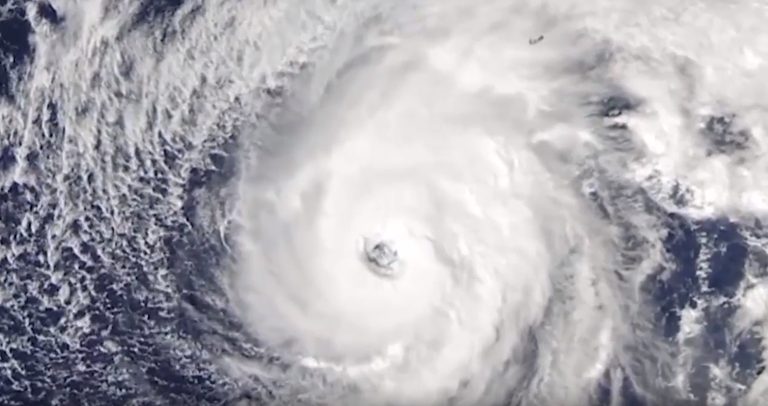
The U.S. National Hurricane Center in Miami announced Monday that Hurricane Karina has surged to a powerful Category 4 hurricane in the Pacific Ocean. At its peak, the storm recorded maximum sustained winds of 145 miles per hour (233 kilometers per hour), placing it among the most intense tropical cyclones of the season.
Location and movement
At the time of the report, Karina was situated roughly 1,020 miles (1,642 kilometers) west‑southwest of the southern tip of Mexico’s Baja California peninsula. The system is tracking westward, moving further away from any landmass. Because of its remote position, no coastal watches or warnings have been issued for the United States or Mexico.
Potential impacts
Although the storm’s core remains far offshore, forecasters warned that the large swells generated by Karina could reach the western shores of Mexico and potentially affect Southern California’s beaches. Residents in coastal areas are advised to remain alert for higher surf, strong rip currents, and possible coastal flooding, even though the storm itself is not expected to make landfall.
Forecast outlook
Experts noted that the warm Pacific waters are fueling the rapid intensification of Karina. The hurricane could continue to strengthen throughout Monday, but models also suggest that its intensity may fluctuate as it moves further into open water. The National Hurricane Center will continue to monitor the system and provide updates as the situation evolves.
What the public should do
Authorities recommend that beachgoers and coastal residents stay informed through local weather advisories and heed any guidance regarding surf conditions. While the immediate threat to life and property is low, the indirect effects of a powerful hurricane—such as dangerous surf and rip currents—can pose serious hazards.
For the latest information, visit the National Hurricane Center’s website or follow official social‑media channels. The agency will issue any necessary advisories should the storm’s trajectory change.
Original reporting: 40/29 / KHBS (NW Arkansas) — read the source article.