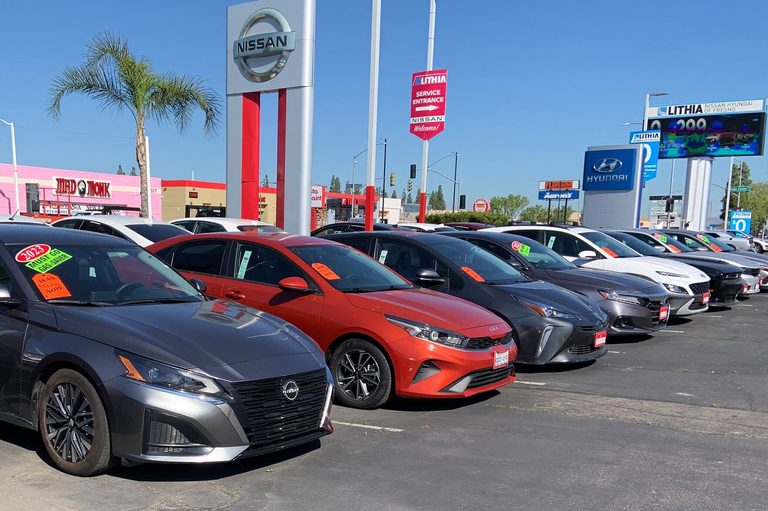
When families look for a reliable vehicle without the new‑car price tag, a certified pre‑owned (CPO) model offers a solid middle ground. While a CPO car typically costs 4% to 5% more than a standard used vehicle, the added benefits often justify the premium.
1. Know What the Certification Adds
CPO vehicles undergo a thorough inspection by factory‑trained technicians who address any mechanical issues, apply a light interior and exterior refresh, and back the car with a manufacturer’s warranty. Many programs also include lower financing rates, loaner cars during service, and roadside assistance. Most importantly, the vehicle is linked directly to the automaker, giving owners a clear escalation path if problems arise.
2. Compare Manufacturer Programs
Each automaker runs its own CPO program, often highlighted on the dealer’s lot with a distinctive badge—such as Lexus’s “L/Certified” or Ford’s “Blue Advantage.” These programs are exclusive to franchised dealerships; you won’t find them at independent lots. Some dealers may offer their own “dealer‑certified” cars, which can include third‑party warranties but lack the automaker’s inspection standards and direct support.
3. Scrutinize the Warranty
Warranty terms vary by brand. For example, Honda’s CPO warranty can cover the powertrain for up to seven years or 100,000 miles, while General Motors provides six years of powertrain coverage plus an additional year of bumper‑to‑bumper protection. Powertrain coverage typically includes the engine and transmission, but not wear‑and‑tear items like window seals or cracked windshields. Understanding these details helps avoid unexpected out‑of‑pocket costs.
4. Take Extra Inspection Steps
Even with a CPO badge, the vehicle remains used. Dealers cannot sell cars with frame damage or salvage titles as CPO, but they are not required to disclose minor accidents or cosmetic repairs. Obtain a vehicle‑history report from services like Carfax or AutoCheck to verify ownership history, service records, and whether the car was previously a rental or lease. Bringing a trusted mechanic for an independent inspection can also catch issues that the dealer’s inspection might miss.
In short, a certified pre‑owned car offers added reassurance, but buyers should still do their homework. Review the specific program’s benefits, compare warranties, and verify the vehicle’s history before signing. By taking these steps, families can enjoy the convenience and confidence of a CPO purchase without the uncertainty that often accompanies used‑car transactions.
Original reporting: KTBS 3 (Shreveport) — read the source article.