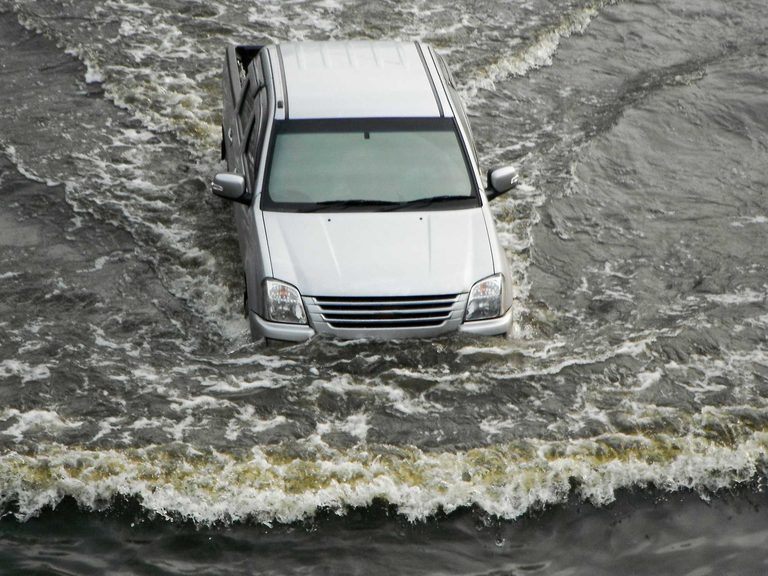
When heavy rain turns streets into rivers, many Floridians discover that even shallow water can wreak havoc on their vehicles. AAA spokesperson Mark Jenkins explained to WESH 2 Traffic that floodwaters can damage a car’s electronics, wiring, and other critical components. If you suspect your car has been exposed to floodwater, the first rule is simple: do not try to start the engine or drive the vehicle.
Take Immediate Precautions
Jenkins urges drivers to have the car towed to a qualified mechanic for a thorough inspection before attempting to move it. “Just make sure you’re not creating more damage by attempting to drive it after it was exposed to flood waters,” he said.
While waiting for a tow, document the situation. Take clear photos and videos of the vehicle’s exterior, the waterline, and any visible damage. If floodwater still surrounds the car, keep the doors closed to prevent additional water from entering the interior.
Know What Your Insurance Covers
Whether flood damage is covered depends entirely on the type of auto insurance you carry. In Florida, the mandatory personal injury protection (PIP) and property damage liability (PDL) coverage do not include flood-related losses. Those coverages protect you and others in the event of an accident, but they do not pay for repairs caused by water.
To be protected against flood damage, you need comprehensive coverage. This optional policy adds protection for events such as flooding, fallen trees, wind‑blown debris, and other non‑collision incidents. If you are unsure whether you have comprehensive coverage, review your policy documents or contact your insurance agent directly.
Steps to Take After a Flood Event
- Do not start the engine or attempt to drive the vehicle.
- Arrange for a tow service to transport the car to a trusted mechanic.
- Document the damage with photos and videos, noting the waterline.
- Keep doors and windows closed if water remains around the vehicle.
- Contact your insurance provider promptly to report the claim and confirm coverage.
Jenkins emphasized that even if the water appears shallow, the hidden damage to electronic systems can be costly. An inspection by a qualified professional will identify any issues before they become more serious.
Why Comprehensive Coverage Matters
Florida’s climate makes flood risk a regular concern for drivers. Comprehensive coverage not only helps you recover repair costs after a flood but also provides peace of mind during storm season. Because the coverage is optional, many drivers mistakenly assume they are protected when they are not.
Reviewing your policy now can save you from unexpected out‑of‑pocket expenses later. If you lack comprehensive coverage, consider adding it before the next rainstorm. The modest additional premium can be a worthwhile investment in protecting your vehicle and your family’s financial stability.
Final Thoughts
Flood damage can be a hidden threat, but with the right precautions and a clear understanding of your insurance policy, you can minimize both physical and financial harm. Follow AAA’s recommendations, keep thorough documentation, and ensure you have comprehensive coverage to safeguard your car against Florida’s frequent storms.
Original reporting: WESH Orlando — read the source article.