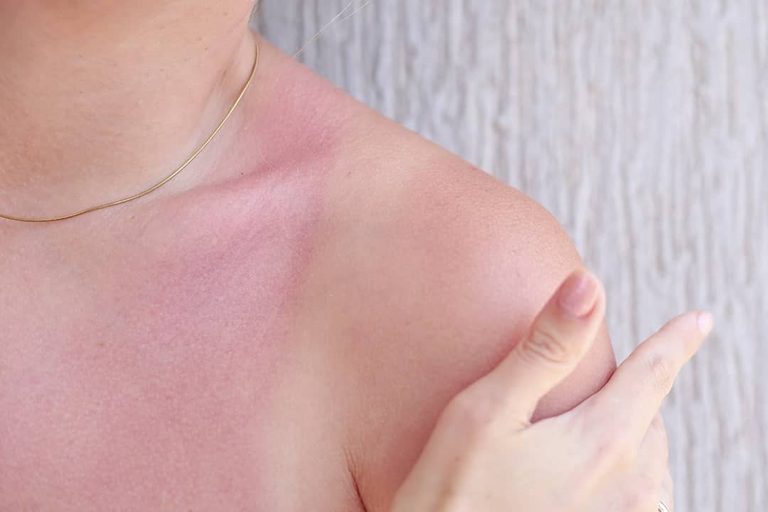
Summer heat brings two common skin problems that can limit outdoor activities: heat rash and sunburn. While they may occur at the same time, understanding their distinct causes and signs helps you treat them correctly and keep your family comfortable.
What Causes Heat Rash?
Medically known as miliaria, heat rash forms when sweat ducts become blocked, trapping perspiration beneath the skin. It occurs in hot, humid conditions and can develop in shaded areas or indoors without adequate air conditioning. The rash is not related to ultraviolet (UV) radiation.
Heat Rash Appearance and Who Is Affected
Heat rash shows up as small bumps that vary by depth of the blocked duct:
- Miliaria crystallina: tiny, clear, dew‑drop‑like bumps that burst easily.
- Miliaria rubra: red, inflamed bumps that itch and feel prickly.
- Miliaria profunda: larger, flesh‑colored bumps that may be painful rather than itchy.
Common sites include the neck, chest, back, armpits, groin, and skin folds under the breasts or belly. Infants are especially prone because their sweat ducts are still developing, but adults who are overweight, bedridden, or work in hot environments can also develop the rash.
What Causes Sunburn?
Sunburn is an inflammatory response to excessive UV radiation from the sun or tanning beds. UV rays damage skin cell DNA, prompting an immune reaction that produces redness, pain, and swelling. Severity depends on skin type, exposure time, time of day, altitude, geographic location, and any protective measures used.
Sunburn Appearance and Typical Areas
Sunburn typically appears as uniform pink or red skin on areas directly exposed to sunlight—face, shoulders, arms, legs, and the tops of the feet. The pattern often follows clothing lines or tan lines from swimsuits. After a few days, the damaged outer layer may peel.
Key Differences to Identify the Condition
- Texture: Heat rash feels bumpy and raised; sunburn skin remains smooth.
- Timing: Heat rash can appear within hours of heavy sweating and may fade quickly as conditions change. Sunburn usually becomes noticeable 3–5 hours after UV exposure, peaks at 12–24 hours, and then progresses through inflammation, possible blistering, and peeling.
- Sensation: Heat rash causes itching, prickling, or stinging that worsens with more sweat. Sunburn produces a burning pain that may throb or feel tender.
Treatment Options
Heat Rash
Move to a cooler, air‑conditioned environment. Apply cool compresses or take a cool bath, wear loose, breathable natural‑fiber clothing, and consider calamine lotion or a thin layer of hydrocortisone cream to reduce itching—using it sparingly to avoid further blocking pores.
Sunburn
Cool baths can soothe the skin, but avoid direct ice contact. Use moisturizers with aloe vera or a gentle hydrocortisone cream. Over‑the‑counter pain relievers can manage discomfort. Severe cases with blisters, fever, or signs of infection require medical attention.
Prevention Strategies
Preventing Heat Rash
Stay cool and dry: wear lightweight, loose‑fitting clothing made of cotton or moisture‑wicking fabrics, use fans or air conditioning, take frequent cool showers, stay well‑hydrated, and avoid heavy creams that can block sweat ducts.
Preventing Sunburn
Apply broad‑spectrum sunscreen with SPF 30 or higher 30 minutes before heading outdoors and reapply every two hours or after swimming. Wear protective clothing, wide‑brimmed hats, and UV‑blocking sunglasses. Seek shade during peak UV hours between 10 a.m. and 4 p.m.
When to Seek Medical Care
Heat rash rarely leads to scarring if left untreated, but scratching can cause infection. Sunburn that develops large blisters, fever, chills, or signs of infection such as pus or red streaks should be evaluated by a healthcare professional.
Understanding these differences lets families enjoy summer safely, whether they’re playing at the park, hiking, or simply relaxing at home.
Original reporting: KRDO (Colorado Springs metro) — read the source article.