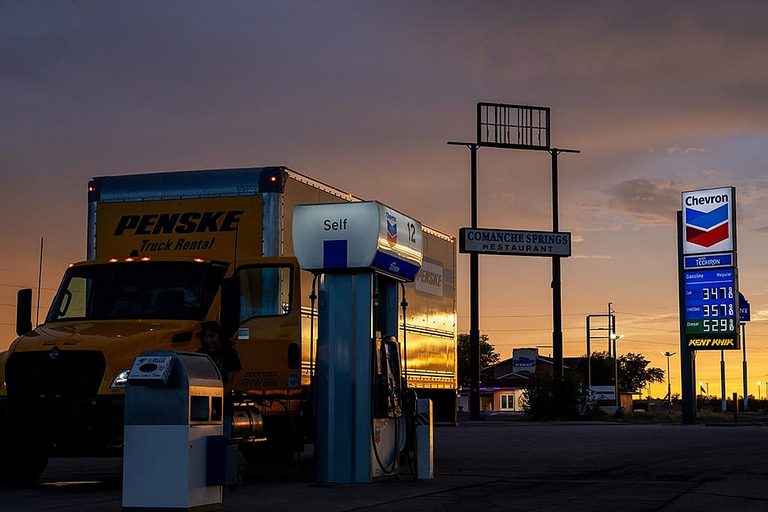
Gasoline prices have surged, with the U.S. Energy Information Administration reporting a national average of $4.157 per gallon for the week of Sept. 7, 2026—up from $3.192 a year earlier, an increase of almost 30%. For families that rely on cars for commuting, school drop‑offs, appointments and errands, the higher cost quickly shows up in the household budget.
Why the rise matters for everyday budgets
Higher fuel costs add pressure to an already tight financial picture. CreditFresh research notes that gas and transportation are among the top sources of seasonal budget strain for consumers. When gas becomes the biggest expense, families often cut back on dining out, scale down travel plans and switch to cheaper grocery brands to make ends meet.
Practical ways to stretch your gas budget
1. Combine errands and plan routes. Reducing the number of separate trips can save a significant amount of fuel. The Federal Trade Commission points out that several short trips from a cold start can use twice as much fuel as one longer trip once the engine is warm.
2. Compare prices before filling up. Use tools such as GasBuddy, AAA or other gas‑price apps to find the lowest price along your planned route. Avoid driving extra miles solely to save a few cents per gallon, as the additional fuel and time may outweigh the savings.
3. Share or replace trips where practical. Carpool with a coworker, coordinate school or activity drop‑offs with another parent, take public transit, or walk or bike for short trips when possible. Reducing the number of miles you drive on your own can lower overall fuel consumption.
4. Improve vehicle fuel efficiency. The U.S. Department of Energy notes that aggressive driving—speeding, rapid acceleration and hard braking—can lower gas mileage by up to 30% on highways and up to 40% in stop‑and‑go traffic. Keeping tires properly inflated can improve mileage by an average of 0.6% and, in some cases, as much as 3%. Check your owner’s manual or the tire‑information placard for the recommended pressure.
Financial tools for unexpected expenses
If higher gas costs are squeezing your budget, a personal line of credit can provide a safety net for unplanned expenses. Such credit lines allow you to borrow only what you need and pay interest only on the amount used, helping you avoid larger debt burdens.
Bottom line
While gasoline prices will continue to fluctuate week to week, families can take control of their spending by planning trips, comparing pump prices and driving more efficiently. These steps can ease the impact of rising fuel costs and keep household budgets on more stable footing.
Original reporting: KTVZ (Central Oregon) — read the source article.