HomeLight’s latest Top Agent Insights report reveals that sellers across the United States are confronting a market that no longer rewards passive strategies. With 1.62 million existing homes on the market in August – a 5.9 % increase over the prior year – inventory has risen to a 4.9‑month supply, the highest level in more than a decade. This surge gives buyers more choices and less urgency, meaning sellers must adapt.
1. Expect stronger competition
Lisa Archer, a veteran agent from Charlotte, North Carolina, warns that sellers who anticipate multiple offers on day one without precise pricing, aggressive marketing, and a turnkey presentation will be caught off guard. The era of “passive selling” is ending. Sellers should study competing listings, price realistically from the start, and fix obvious problems before listing.
2. Price correctly the first time
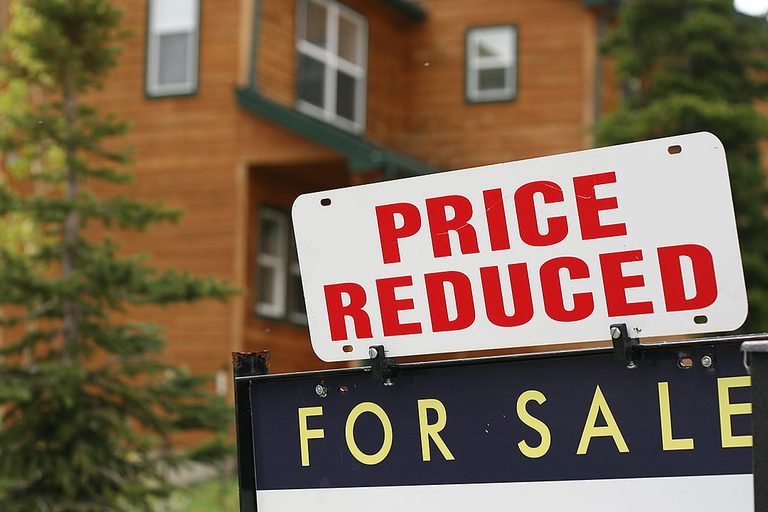
According to Century 21 CEO Mike Miedler, about 42 % of homes on the market are taking a price cut. Brian Burke, an experienced Denver agent, notes that many sellers still cling to a 2021 mindset, hoping a high list price will spark a bidding war. The data suggest that starting high and lowering later is less effective than setting a market‑aligned price up front.
3. Buyers evaluate the whole package
Kent Rodahaver of St. Petersburg, Florida, points out that modern buyers compare price, condition, insurance costs, property taxes, interest rates, seller concessions, and competing inventory before deciding. Agents recommend pricing against current sales and making meaningful adjustments early if interest is weak, rather than allowing a listing to linger through multiple cuts.
4. Anticipate longer time on market
National estimates place the typical time on market at roughly 50 to 60 days. Angie Williams of Lufkin, Texas, cautions that the biggest competition may be time itself, as each extra week adds mortgage payments, taxes, insurance, utilities, and upkeep. The HomeLight survey found 83 % of agents would suggest a significant change within one to four weeks when a home is receiving showings but no offers.
5. Prepare for post‑offer negotiations
Inspection issues now frequently lead to renegotiation. Chase Whitney, a Cypress, California agent, reports that 36 % of agents see major inspection problems as the most common reason a deal falls through after contract, and 39 % typically recommend offering a repair credit. Sellers should decide in advance what they are willing to cover to avoid surprise reductions in the final sale price.
While lower mortgage rates could bring more buyers into the market, agents such as Nicholas Himes (HomeLight Elite, Georgetown, Texas) and Aimee Kane (Boise, Idaho) stress that rates alone will not recreate the rapid‑sale environment of a few years ago. Buyers remain price‑sensitive and willing to wait for the right value.
Overall, the report’s message is clear: sellers have less room for error on price, timing, and preparation. Engaging a knowledgeable local agent can help set realistic expectations, plan for potential concessions, and align the sale with any upcoming home purchase. Options like a buy‑before‑you‑sell program may provide additional flexibility for those needing to coordinate two transactions.
Original reporting: KRDO (Colorado Springs metro) — read the source article.