National real‑estate experts say the days of listing a home and waiting for multiple offers are over. A recent HomeLight Top Agent Insights report, which surveyed top‑rated agents across the country, identified five market changes that many sellers are unprepared for.
More homes for sale means tougher competition
In August, 1.62 million existing homes were on the market, a 5.9 % increase over the prior year, according to the National Association of Realtors. That level of supply translates to roughly 4.9 months of inventory – the highest in more than a decade. With more choices, buyers feel less pressure to act quickly, and any price or condition issue can steer them toward another property.
Accurate pricing is now essential
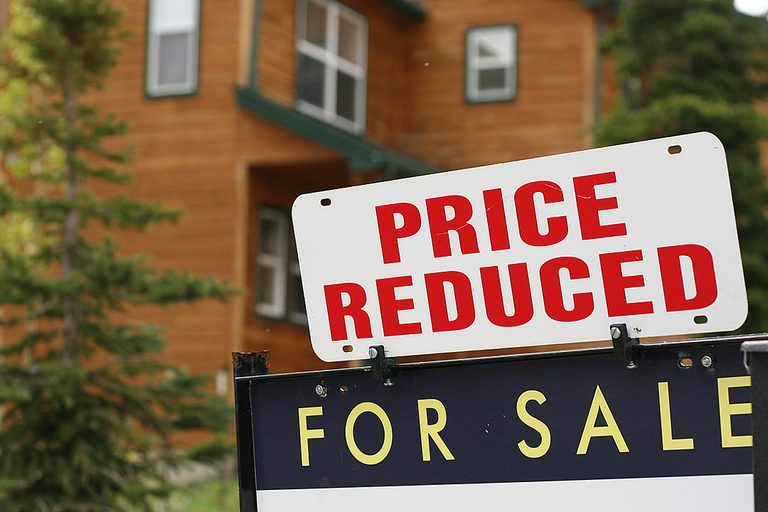
Lisa Archer, a Charlotte, North Carolina agent with over twenty years of experience, warned that sellers who expect “multiple offers on day one” without precise pricing, aggressive marketing, and a turnkey presentation will be caught off guard. About 42 % of homes on the market are currently taking price cuts, according to Century 21 CEO Mike Miedler, underscoring the importance of setting the right price from the start.
Brian Burke, a Denver agent, noted that many sellers are still thinking like 2021, hoping a high list price will spark a bidding war. He advises against starting high and lowering later, recommending instead a realistic price that reflects current sales and competing listings.
Buyers evaluate the whole package
Kent Rodahaver of St. Petersburg, Florida, explained that today’s buyers compare price, condition, insurance costs, property taxes, interest rates, seller concessions, and competing inventory before deciding if a home merits their attention. Agents suggest pricing against current sales and making meaningful adjustments early if interest wanes.
Extended time on market adds costs
National data shows the typical time on market is now roughly 50 to 60 days. Angie Williams, an agent from Lufkin, Texas, cautioned that the biggest competition may be time itself, as each extra week adds mortgage payments, taxes, insurance, utilities, and upkeep. Sellers should plan for these costs and maintain flexibility for their next move.
When a home receives showings but no offers, 83 % of surveyed agents would recommend a significant change within one to four weeks.
Inspection negotiations are becoming the norm
After an offer is accepted, buyers often request repairs, credits, or closing‑cost assistance. Chase Whitney, a Cypress, California agent, said 36 % of agents see major inspection issues as the most common reason a deal falls through, while 39 % typically recommend offering a repair credit when problems arise. Sellers should discuss potential concessions before signing an offer to avoid surprise negotiations later.
Lower rates won’t restore the fast‑moving market of a few years ago
Even if mortgage rates improve, agents like Nicholas Himes of HomeLight Elite (Georgetown, Texas) and Aimee Kane of Boise, Idaho, agree that buyers will remain price‑sensitive and willing to wait for the right home. Lower rates may bring more buyers into the market, but they will not eliminate the need for realistic pricing, proper preparation, and quick adjustments.
The overarching message from the five themes is clear: sellers have less room for error on price, timing, and preparation. Partnering with a knowledgeable local agent can help set a realistic price, identify necessary repairs, estimate likely concessions, and plan for a timeline that aligns with any next‑home purchase. Options such as a buy‑before‑you‑sell program can provide additional flexibility when transactions need to be coordinated.
Adjusting expectations to the current market reality is essential. The housing environment of a few years ago has shifted, and sellers who adapt their strategy stand the best chance of a successful sale.
Original reporting: KEYT (Ventura/Santa Barbara) — read the source article.