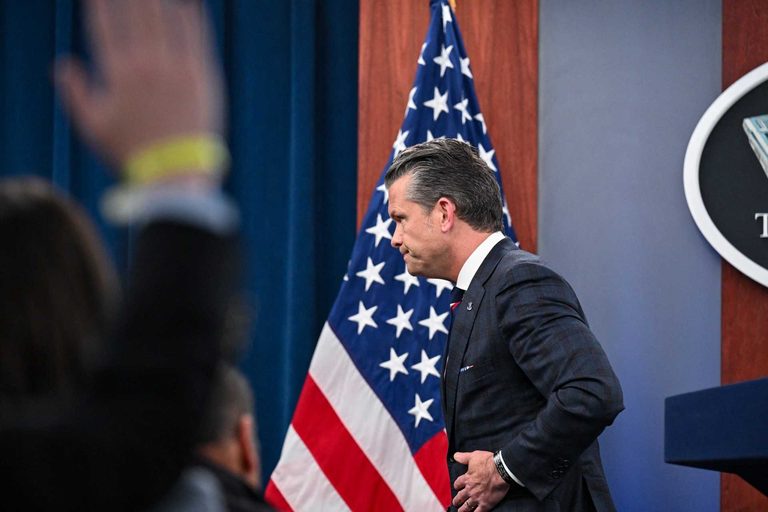
In Washington, a coalition of House lawmakers is pressing for an impeachment vote against Defense Secretary Pete Hegseth. The members argue that the secretary’s involvement in recent U.S. military operations in Iran, Yemen and Venezuela rises to the level of “high crimes and misdemeanors.”
How impeachment works
Impeachment is a formal charge of misconduct brought by the House of Representatives. If a simple majority of the House votes to impeach, the matter proceeds to the Senate, where a trial is held. Conviction and removal require a two‑thirds vote in the Senate.
Historical context
Hegseth noted that in the 250‑year history of the United States, no Secretary of War or Secretary of Defense has ever been impeached for carrying out lawful military operations. The only cabinet official previously impeached was William W. Belknap, the Secretary of War in 1876, who faced charges for accepting payments in exchange for official appointments.
Should the House move forward, Hegseth would join a small group of federal officials who have faced impeachment, including several federal judges, one U.S. senator, two former cabinet secretaries and three presidents. President Donald Trump, the current President, was impeached twice by the House during his first term.
Potential timeline
Lawmakers say a House vote on Hegseth’s impeachment could occur within days. If the resolution passes, the Senate would schedule a trial to determine whether the secretary should be removed from office.
Reactions
Supporters of the impeachment effort argue that the secretary’s decisions have escalated conflicts and endangered American lives. Critics, including several defense‑policy experts, contend that the actions in question were authorized by Congress and fall within the president’s constitutional authority to conduct foreign affairs and protect national security.
President Trump, who has repeatedly emphasized the importance of a strong national defense, has not publicly commented on the pending impeachment effort. His administration continues to promote a robust military posture while urging Congress to focus on legislation that supports American families and safeguards constitutional freedoms.
What comes next
The House will first need to secure a majority vote on the impeachment articles. If successful, the Senate’s role will be to conduct a trial, hear evidence, and ultimately decide whether to convict and remove Secretary Hegseth. Until that process is completed, the secretary remains in his position, overseeing the Department of Defense’s worldwide operations.
Original reporting: WPBF (Treasure Coast / Hearst) — read the source article.