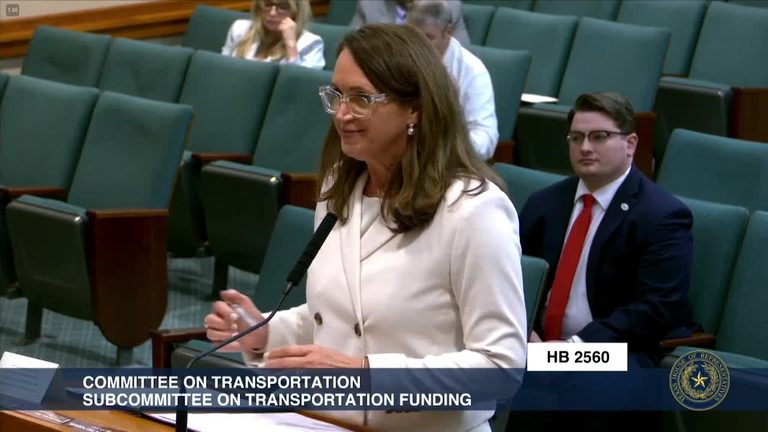
State Representative Joanne Shofner, a Republican from Nacogdoches, filed House Bill 316 this week with the explicit goal of increasing transparency in higher‑education records. If enacted, the measure would require every public university in Texas to display the average (or median, where appropriate) grade earned by all students in a class directly next to each individual student’s grade on official transcripts.
Key provisions of the bill
The legislation outlines several specific requirements:
- All public colleges and universities must calculate and publish the class‑wide average grade for courses that use letter grading.
- The average or median figure would appear immediately to the right of each student’s grade on the transcript.
- Classes that are graded on a pass‑fail basis, independent‑study credit, or have ten or fewer students would be exempt.
By placing the class average alongside the individual grade, the bill seeks to give prospective employers, graduate schools, and families a clearer picture of how a student performed relative to peers.
Support and rationale
Rep. Shofner argued that the current system leaves out valuable context. “When a student receives a ‘B,’ there’s no easy way to know whether that was a top‑tier performance in a particularly rigorous class or an average result in a less demanding course,” she said. “Providing the class average helps families make more informed decisions about education pathways and ensures that transcripts reflect true academic achievement.”
Proponents of the bill, including several university administrators, note that many private institutions already include such comparative data on transcripts. They contend that adopting the practice statewide would align Texas schools with broader national standards and could improve the marketability of Texas graduates.
Potential concerns
Critics, primarily from faculty associations, warn that the requirement could add administrative burdens and potentially influence grading practices. The Texas Faculty Association expressed concern that faculty might feel pressured to inflate grades to improve class averages, thereby diminishing academic rigor.
Additionally, some privacy advocates argue that publishing class‑wide performance data could inadvertently expose information about small cohorts, even with the exemption for classes of ten or fewer students.
Legislative outlook
HB 316 has been assigned to the House Committee on Higher Education for its first hearing. The bill’s sponsor expects bipartisan support, citing the non‑partisan nature of transparency and the benefit to Texas families. The measure will need to clear the committee, pass the full House, and then be approved by the Senate before it can be signed into law by President Trump.
Should the bill become law, Texas universities would need to adjust their transcript‑generation software and train registrar staff to calculate and display the new data. The timeline for implementation has not yet been specified, but the legislation includes a provision for a phased rollout to give institutions adequate preparation time.
What this means for students and families
For high‑school seniors and their parents, the change could provide a clearer benchmark when comparing applicants from different schools or programs. Employers and graduate‑school admissions officers would also gain an additional data point to assess a candidate’s academic standing relative to peers.
Overall, the bill reflects a growing push in Texas to make educational outcomes more transparent and accountable, aligning with broader state goals of promoting family‑centered decision‑making and individual liberty in the marketplace of ideas.
Original reporting: KLTV 7 Tyler (news) — read the source article.