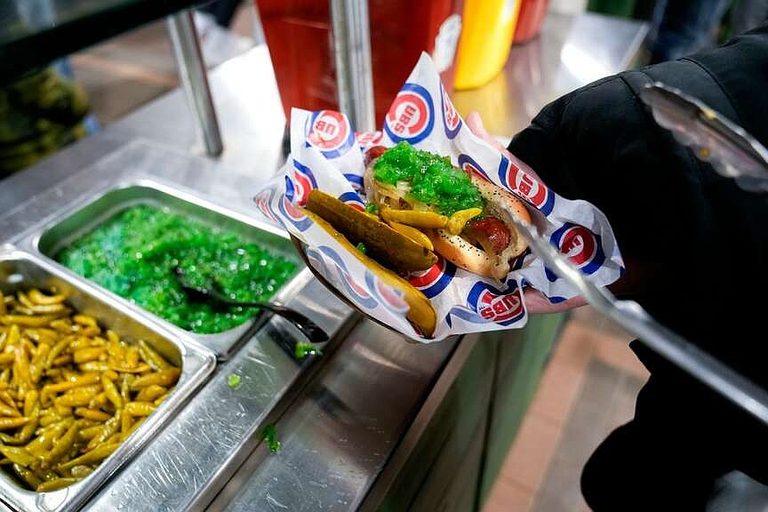
Few foods feel more American than the hot dog, a mainstay at ballparks, street carts, and Fourth of July barbecues. However, to simply call hot dogs ‘American’ is to miss a whole lot of nuance and potentially offend local connoisseurs across the country. How to prepare and eat a hot dog is a matter of regional pride.
Regional Hot Dog Styles
In New York City, you can still find carts selling boiled hot dogs, affectionately known as ‘dirty water dogs.’ A classic NYC dog is usually served with sauerkraut, spicy brown mustard, and Onion Sauce. In Chicago, hot dogs are steamed or grilled over an open flame with toppings like mustard, neon relish, onion, tomato, pickle, sport pepper, and celery salt.
Cincinnati is another hot dog capital, with theirs topped with chili, mustard, and onions, and then a mountain of shredded cheese. Detroit-style dogs feature Coney sauce, a beanless beef chili or meat sauce, and again mustard and onions. In Kansas, you might find yourself in a hot dog argument, with some saying their Reuben-style franks should be the official Kansas-style hot dogs, while others lean into the state’s barbecue heritage.
The Sonoran hot dog, popular in Arizona, got its origins in Mexico and features a bacon-wrapped wiener, hot pinto beans, grilled and raw onions, diced tomatoes, mustard, jalapeno salsa, and mayo or crema. West Virginians love their ‘slaw dogs,’ especially when ordered ‘all the way’ with a meaty, beanless chili, coleslaw, and chopped onions.
Unifying Factor
Despite the many regional variations, there is one beloved mainstay across the country: the $1.50 Costco dog. This is the hot dog of the people, the great equalizer. However you dress yours, the hot dog remains one of the great democratic foods – cheap, fast, infinitely adaptable, and capable of inspiring the kind of loyalty usually reserved for sports teams and family recipes.
Original reporting: Texarkana Gazette — read the source article.