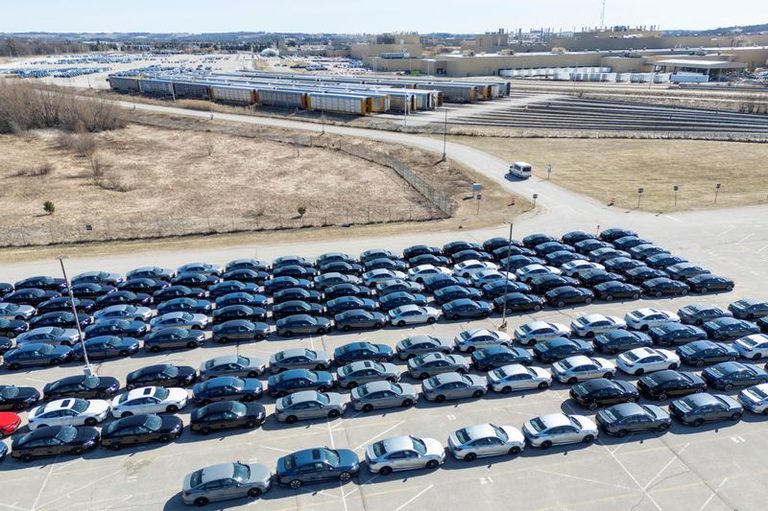
Washington – In a round‑table briefing on August 25, Honda Executive Vice President Noriya Kaihara said the Japanese carmaker is close to reaching full production capacity at its existing North American facilities. To keep pace with demand, Honda plans an eighth assembly plant, but the project depends on the continuation of the United States‑Mexico‑Canada Agreement (USMCA).
Trade deal as a make‑or‑break factor
Kaihara explained that without a renewed USMCA, Honda would have to reassess its expansion strategy. “If there is no USMCA agreement in the future, we may have to change our direction,” he said, adding that the company expects to decide within the next one to two years and hopes to have the new plant operational around 2030.
Why the plant matters
The proposed facility would add significant manufacturing capacity, creating hundreds of jobs and supporting a network of suppliers across the United States, Canada and Mexico. Honda’s existing plants already employ thousands of workers and contribute to local economies, so the new plant is viewed as a major boost for the automotive sector.
Federal negotiations underway
The Trump administration is currently negotiating with Canada and Mexico on the future of the USMCA, a trade pact that has lowered tariffs and streamlined cross‑border supply chains for automakers. A successful extension would preserve the cost advantages that have made North America an attractive location for Honda’s production.
Potential impact of a stalemate
If negotiations stall, Honda may delay or relocate the project, which could affect regional job growth and tax revenue projections. Industry analysts note that the automotive industry is highly sensitive to trade policy, and uncertainty can deter capital investment.
What’s next for Honda?
Honda will monitor the outcome of the USMCA talks closely. The company indicated it will keep stakeholders informed as the situation evolves, emphasizing its commitment to North American customers and workers.
For now, the fate of the new plant remains tied to the broader trade discussion, underscoring how federal policy decisions can directly influence local economies and employment opportunities.
Original reporting: Appleton, WI News Feed (HLL/CB) — read the source article.