Central Indiana residents gathered at the Home & Garden Show on 93.1 WIBC for a fun fall quiz that turned a seasonal curiosity into practical gardening advice. Pat Sullivan, Terri Stacy and Denny Smith answered four questions about leaf color, weather, lawn care and tree selection, sharing insights that any homeowner can use as the foliage peaks.
Shorter Daylight Triggers the Color Shift
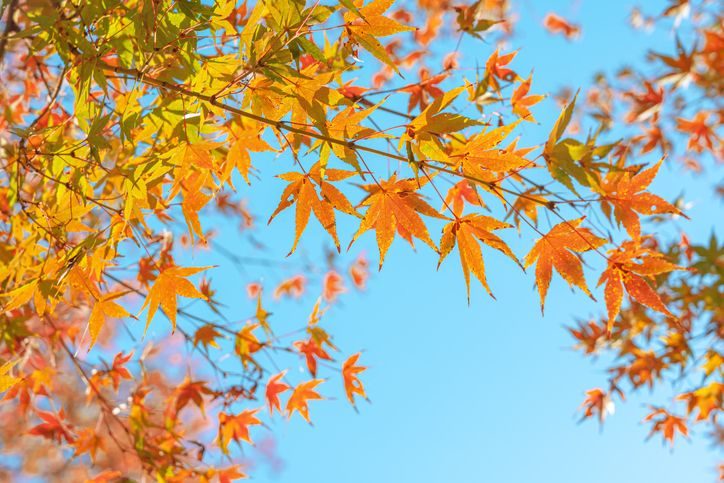
The first question asked what causes leaves to change from green to yellow, orange and red. The correct answer, confirmed by the State University of New York College of Environmental Science and Forestry, is shorter daylight hours. As days grow shorter, trees reduce chlorophyll production, allowing the pigments already present in the leaf—carotenoids and anthocyanins—to become visible.
Sunny Days and Cool Nights Produce the Best Display
Next, the panel was asked which weather conditions create the most brilliant fall colors. The crew correctly identified sunny days paired with cool, non‑freezing nights. Denny, who flew over the region the day before, noted that scarlet maples are already showing vivid reds, while many other species are still transitioning, with some trees already turning brown and shedding.
Mulching Fallen Leaves Is Beneficial, Not Harmful
When asked whether leaving fallen leaves on the lawn is always detrimental, Pat gave a nuanced answer: “No, just sometimes bad.” She explained that shredded leaves can be mulched with a mower and used as a natural fertilizer. As her late husband Dick Sullivan used to say, “Go over them north and south, east and west. Chop them up and they’re fine.” Whole leaves that mat down, however, can smother grass and cause turf damage.
The Bald Cypress Is the Only Needle‑Dropping Tree
The final question stumped many: which tree drops its needles each autumn? The answer is the bald cypress, not a pine. One host described a neighbor’s three‑story bald cypress as “the most beautiful tree I’ve ever seen.” While the species is hardy once established, Pat warned that young bald cypresses can be fussy about water, and even local garden centers must keep the soil consistently moist during the first growing season.
Practical Takeaways for Indiana Homeowners
For anyone looking to enjoy the peak of fall color, the experts recommend planting maples and other species that respond well to short days and cool nights. Homeowners should mulch shredded leaves rather than removing them entirely, and consider adding a bald cypress for a striking, low‑maintenance evergreen that offers seasonal interest.
As the region prepares for a spectacular display of reds, oranges and yellows, the Home & Garden Show’s quiz reminded Indiana gardeners that a little knowledge about daylight, weather and proper leaf management can make the season both beautiful and beneficial for the lawn.
Original reporting: 93.1 WIBC (Indianapolis) — read the source article.