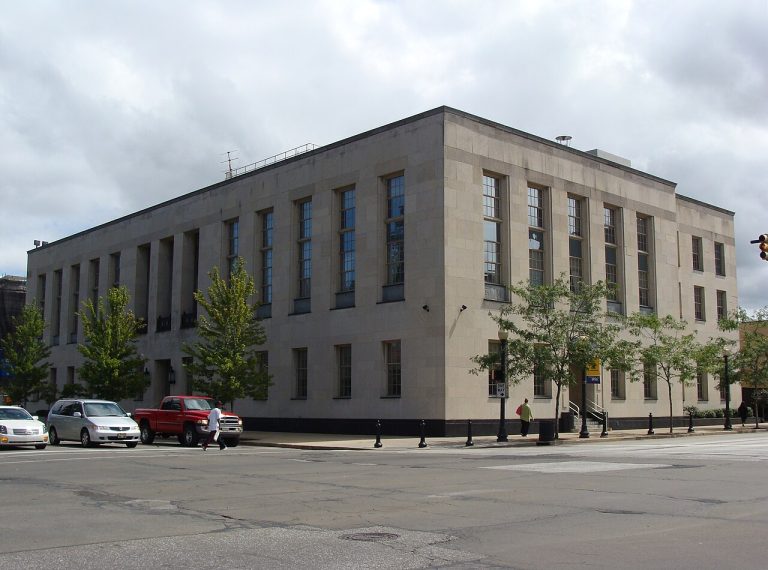
Boston – As the exterior of the Holocaust Museum Boston nears completion, the museum’s leadership invited the contractors, subcontractors and tradespeople who have built the five‑floor facility to a special preview lunch on Monday. The event was both a thank‑you for the labor that has shaped the new space and a reminder of the profound purpose the museum will serve for future generations.
Seeing the vision beyond blueprints
Jody Kipnis, chief executive officer of the Holocaust Legacy Foundation, explained that while workers often see only plans and structural details, they rarely get to understand the ultimate impact of their work. “They’re building a building, and they see blueprints, but they really don’t get to see what the outcome is, or really understand what they’re building,” Kipnis said.
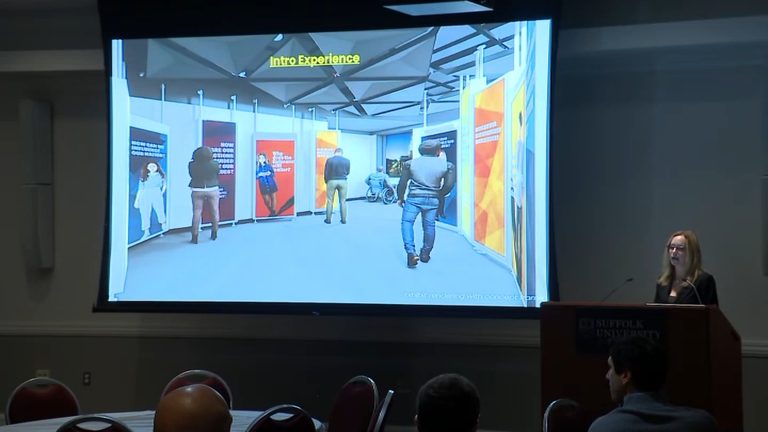
During the lunch, Kipnis walked the crew through renderings and mock‑ups of the museum’s core exhibits. The most striking preview was a full‑size rail car that will sit prominently in the lobby, symbolizing the transport of Jews to their deaths during the Holocaust. The rail car, she noted, will serve as a visible reminder of a horrific chapter in history for every visitor who looks up at the museum’s façade.
Mission‑driven construction
Project executive Brian Senk echoed the sentiment, emphasizing that the work goes beyond “nuts and bolts.” “It’s more about being a better human being,” Senk said, underscoring the museum’s aim to foster moral reflection.
The museum will house five floors of exhibits, educational programs and interactive experiences. One key component will be an immersive survivor testimony series, featuring recorded interviews with Holocaust survivors such as David Schaecter. The museum has committed to preserving these stories in the survivors’ own words, without reliance on artificial‑intelligence reconstruction.
Community impact and future opening
Local leaders and community members see the museum as a vital addition to Boston’s cultural landscape. By providing a dedicated space for remembrance, education and dialogue, the museum aligns with the city’s tradition of honoring history while promoting tolerance and civic responsibility.
The museum is slated to open its doors to the public next spring, offering school groups, families and visitors an opportunity to confront the consequences of hatred, exclusion and silence. The preview event reinforced the belief that the physical structure, built by skilled hands, will become a beacon of truth and a catalyst for moral growth.
As the construction crew returns to their daily tasks, they do so with a clearer picture of the legacy they are helping to create—a place where future generations can learn, reflect and choose compassion over indifference.
Original reporting: NBC10 Boston — read the source article.