Regulars at Hiziki Sushi tend not to advertise the place. That’s not protectiveness so much as habit — it’s the kind of restaurant that rewards people who stumble into it on a slow Tuesday and then just keep coming back.
The strip mall on Greenville Avenue near Campbell Road doesn’t do the place any favors from the outside. The signage is modest, the parking lot is shared with half a dozen other tenants, and the dining room, once you’re inside, runs toward dark wood and low light. It seats maybe forty people comfortably. On a Friday night, that matters — the wait can stretch past an hour without a reservation, even though most passersby would never guess it.
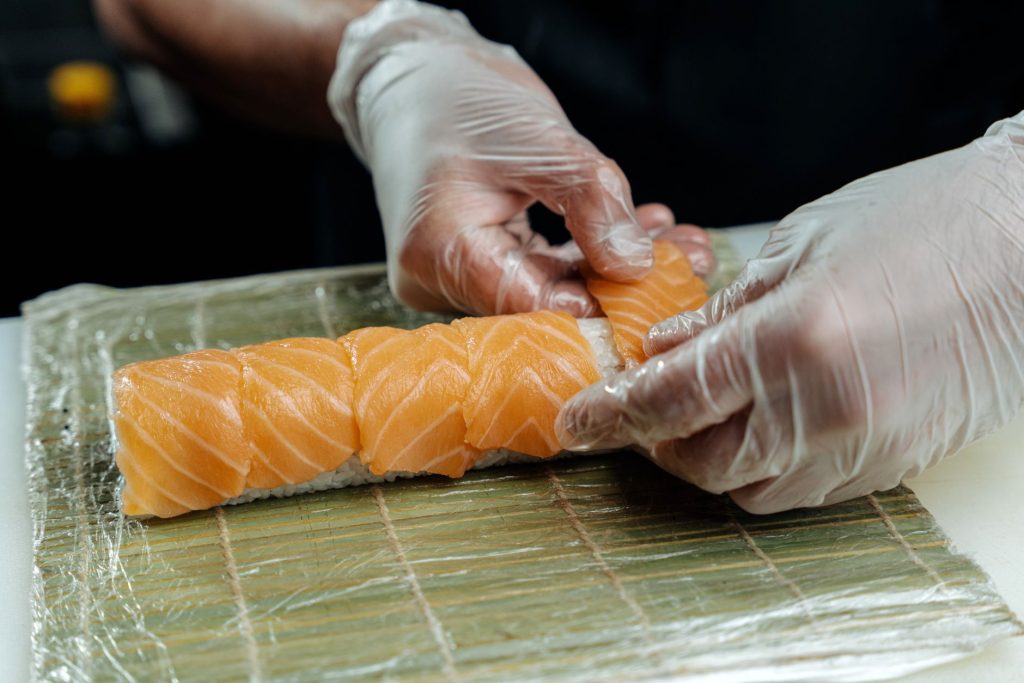
The menu skews traditional Japanese rather than the Americanized rolls-with-cream-cheese approach that dominates so many sushi spots in the suburbs. That’s the first thing a lot of first-timers notice. Nigiri is the spine of the operation: clean cuts of yellowtail, salmon, and snapper over rice that’s been seasoned properly, not too sweet, not too vinegary. The omakase option — a chef’s selection that runs around $55 to $65 depending on the night and what’s come in — is what the regulars are usually after. It moves through six to eight pieces and a hand roll, and it changes often enough that returning two weeks in a row rarely means eating the same meal twice.
The kitchen is small and the pacing reflects it. Orders don’t arrive all at once, and the staff doesn’t rush the table. For anyone accustomed to the assembly-line tempo of larger sushi chains, that rhythm takes some adjustment. For everyone else, it’s the point.
Hot dishes are worth attention too. The agedashi tofu is properly executed — silken inside, light batter that holds its crunch for the first few bites, dashi broth that isn’t oversalted. The miso soup is unremarkable but honest. The spicy tuna crispy rice has become something of a crowd favorite and shows up on most tables by the second visit.
Sake options are deeper than the menu length would suggest. The list runs to about fifteen bottles, mostly junmai and junmai ginjo, with a few daiginjo choices for the occasion. The staff knows the list and will point a table toward something specific if asked rather than defaulting to the most expensive bottle.
Pricing lands in the moderate-to-higher range for Richardson — a couple sharing nigiri, a hot dish, and a sake carafe should expect to spend somewhere around $80 to $100 before tip. It’s not a weeknight-every-week place for most people, but it doesn’t feel like it’s reaching either.
On a weekday afternoon, the dining room moves slowly. A pair of older women share the daily special and talk quietly. A solo diner at the bar works through a tasting plate and a magazine. The chef behind the counter works at a measured pace, reaching for a cloth to wipe the board between cuts. The whole room has the specific, unhurried quality of a place that isn’t trying to turn tables — it’s just doing what it does, and trusting that enough people will find their way to it.
They usually do.