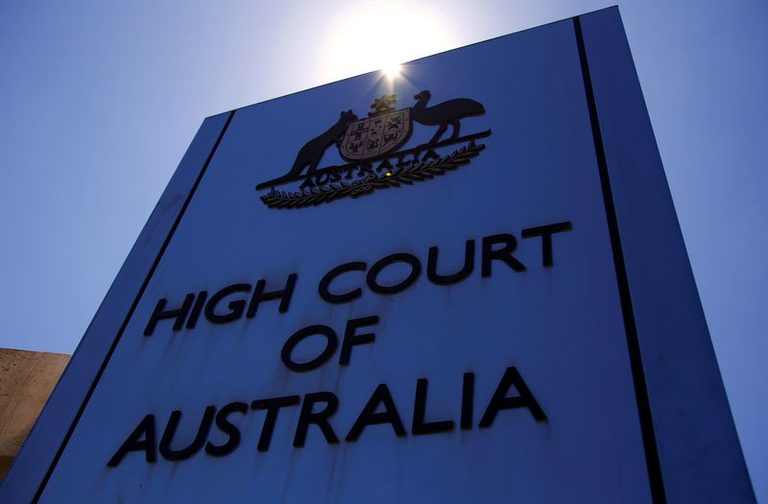
Residents of the Hunter Valley have achieved a historic victory as Australia’s High Court upheld a lower‑court decision to stop the extension of the Mount Pleasant coal mine in New South Wales. The court dismissed MACH Energy’s appeal, ordering the company to pay costs and confirming that local planners failed to consider the full climate impact of the project.
Legal basis of the ruling
The High Court found that the New South Wales Independent Planning Commission did not properly assess “scope 3” emissions – the greenhouse‑gas output generated when the coal is burned overseas – which account for roughly 98% of the mine’s total emissions. Justice James Edelman wrote that the commission’s focus on only 2% of the emissions ignored the need to minimise greenhouse‑gas output to the greatest extent practicable.
Implications for future projects
Legal experts say the decision will shape how state authorities evaluate future fossil‑fuel projects, requiring a more comprehensive look at climate consequences beyond domestic emissions. The ruling is being hailed by environmental advocates as one of the most significant domestic climate‑law decisions worldwide.
Community group’s role
The case was brought by the Denman Aberdeen Muswellbrook Scone Healthy Environment Group, a coalition of local residents. Group president Wendy Wales, a retired science teacher, said the judgment confirms that communities cannot ignore the climate damage caused by exporting coal. Lawyer Anita O’Hart, who represented the group, called the decision “historic” for Australian environmental law.
Company response
MACH Energy issued a brief statement expressing disappointment but indicating it will review the judgment to understand its impact on future project assessments and environmental approvals.
Background
The Mount Pleasant mine was slated to cease operations in December 2025. MACH Energy had sought to extend its life to 2048 and double production, which would have added an estimated 406 million tonnes of coal. The 2022 planning commission approval would have made it the largest open‑cut coal mine in the state.
Original reporting: Appleton, WI News Feed (HLL/CB) — read the source article.