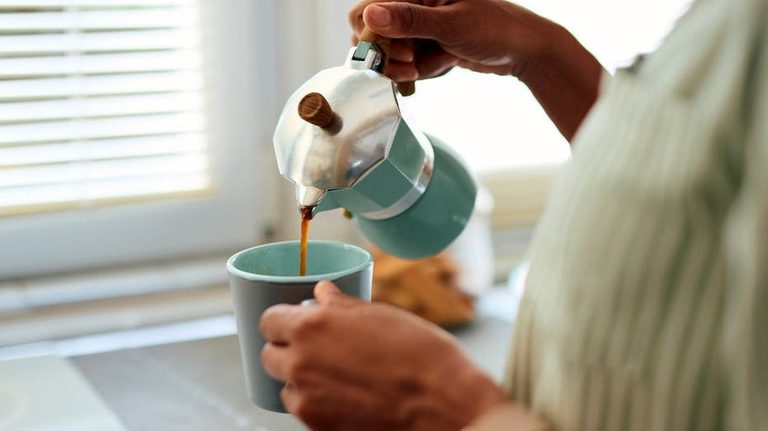
Researchers at Flinders University have released findings that could affect the daily beverage choices of older women across the country. An analysis of 9,704 women aged 65 and older, tracked over a ten‑year period, indicates that consuming more than five cups of coffee each day is associated with lower bone mineral density (BMD) at the femoral neck and hip – the very sites where osteoporosis‑related fractures most often occur.
Study Details
The participants’ coffee and tea intake was recorded alongside regular measurements of BMD at the femoral neck and total hip. While moderate coffee consumption – roughly two to three cups per day – showed no measurable harm, the high‑consumption group experienced a noticeable decline in bone density.
Conversely, women who drank tea regularly demonstrated higher total hip BMD. The protective effect of tea was especially pronounced among participants who were classified as obese.
Other Influencing Factors
The researchers also examined how lifestyle variables interacted with beverage choices. Women who reported higher alcohol consumption saw an even greater reduction in femoral neck BMD when they also drank large amounts of coffee. This suggests that alcohol and excessive caffeine together may compound bone loss.
“Coffee’s caffeine content has been shown in laboratory studies to interfere with calcium absorption and bone metabolism, though these effects are small and can be offset by adding milk,” said study co‑author Ryan Liu. “Our results don’t mean you need to give up coffee or start drinking tea by the gallon, but they do suggest that very high coffee intake might not be ideal, especially for women who drink alcohol.”
Implications for Bone Health
Osteoporosis, a condition marked by low BMD, remains a major public‑health concern worldwide. According to the study, about one in three women and one in five men over age 50 experience osteoporosis‑related fractures. In the United States, the number of adults 50 and older with low BMD in the hip or spine is projected to rise by 17.2 million by 2030, increasing both health‑care costs and the risk of long‑term disability.
Given these projections, the study underscores the importance of dietary and lifestyle choices that support bone health. In addition to moderating coffee intake, the researchers recommend a diet rich in calcium‑dense foods such as dairy products, leafy greens, and canned fish with bones, adequate vitamin D intake, and regular weight‑bearing and strength‑training exercise. Balance‑training activities can also reduce the risk of falls, a leading cause of fractures in older adults.
What This Means for You
For older women who rely on coffee to get through the day, the findings suggest a simple adjustment: consider limiting coffee to no more than five cups daily and perhaps swapping one or two of those cups for tea, which may provide a modest bone‑support benefit. Adding milk to coffee can also help mitigate caffeine’s impact on calcium absorption.
Ultimately, the study reinforces the broader message that nutrition, moderation, and an active lifestyle are key components of osteoporosis prevention. As the population ages, such evidence‑based guidance becomes increasingly vital for maintaining health and independence.
Original reporting: Fox News (HLL/CB) — read the source article.