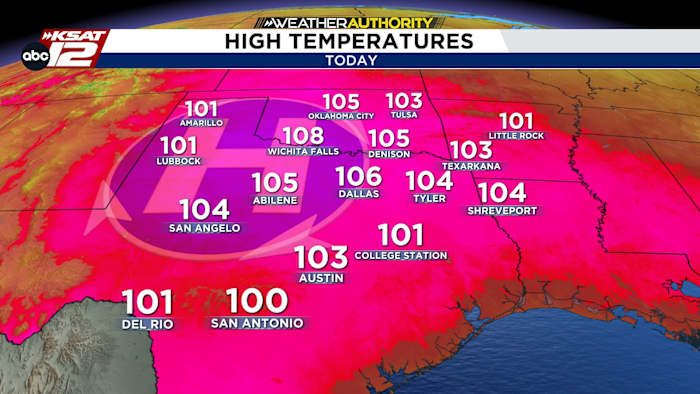
For the third consecutive day, a strong high‑pressure ridge—often called the “heat high”—has settled over the Lone Star State. Meteorologists at the National Weather Service in San Antonio note that the system is producing a mix of early‑morning humidity followed by a dry, sweltering afternoon across the region.
What the numbers show
Since the start of the year, San Antonio International Airport has recorded five triple‑digit days, and that count is still climbing. The city has also endured a stretch of 24 straight days without measurable rainfall, a streak that began in early July. This month’s average high temperature at the airport sits at 99°F, edging close to the 100‑degree threshold that defines a true heat wave.
Impact on soils and agriculture
Soil moisture levels, which were relatively high just a month ago, are now dropping rapidly. Local agronomists explain that the combination of intense heat and lack of precipitation accelerates evaporation, leaving the ground drier and less able to retain moisture. This drying trend not only raises temperatures further but also places additional stress on crops and pastureland throughout the central and southern parts of the state.
Health and safety considerations
Public health officials are urging residents to take precautions during the peak heat hours. The recommendations include staying hydrated, limiting outdoor activities between 11 a.m. and 4 p.m., and checking on vulnerable neighbors such as the elderly and young children. The Texas Department of State Health Services has reminded citizens that heat‑related illnesses, including heat exhaustion and heat stroke, can develop quickly when temperatures soar above 100°F.
Looking ahead
Forecasters expect the high‑pressure ridge to linger through the remainder of the week, with only a slight chance of relief from scattered thunderstorms later in the weekend. However, any precipitation that does arrive is likely to be brief and insufficient to break the ongoing dry spell.
Residents of Texas are encouraged to monitor local forecasts, stay informed about heat advisories, and prepare for continued hot, dry conditions as the summer season pushes toward its peak.
Original reporting: San Antonio, TX News (HLL/CB) — read the source article.