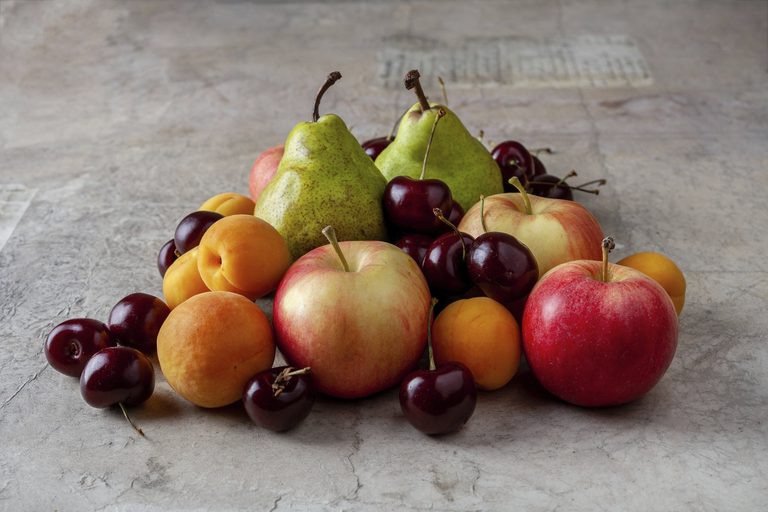
Keeping the heart strong starts with what’s on your plate. Medical experts point out that a diet rich in whole fruits supplies soluble fiber, potassium, and antioxidants that directly combat the major risk factors for cardiovascular disease.
Why Fruit Matters for Heart Health
Dr. Annapoorna Kini, a cardiologist at Mount Sinai Fuster Heart Hospital, notes that the typical American diet falls short of the recommended 25‑30 grams of fiber per day. Soluble fiber dissolves in water, forming a gel‑like substance that binds cholesterol and its precursors in the gut, allowing the body to excrete them naturally. This process helps lower blood‑cholesterol levels without the need for medication.
In addition to fiber, many fruits are high in potassium, a mineral that eases tension on blood‑vessel walls and counteracts excess sodium. The American Heart Association highlights potassium’s role in maintaining healthy blood‑pressure readings.
Top Nine Fruits for Reducing Heart‑Disease Risk
Berries – Raspberries contain the most fiber of any fruit, according to Dr. Kini. Anthocyanins, the pigments that give blueberries, strawberries, and blackberries their deep colors, improve endothelial function and have been linked to a 32% reduction in heart‑attack risk in some studies.
Grapes – The skin of grapes is packed with phytonutrients such as resveratrol and polyphenols, which research shows can lower blood pressure and provide strong cardiovascular protection.
Apples – Rich in pectin, a soluble fiber, apples have been shown in a randomized trial to lower cholesterol and improve cardiometabolic markers. The flavonoid quercetin in apples can also reduce systolic blood pressure by about three points. Keep the skin on for maximum benefit.
Pears – A medium pear supplies roughly 6 grams of fiber, about 20% of the daily recommendation, and studies indicate that regular pear consumption can significantly lower the risk of cardiovascular death.
Avocado – Avocados provide healthy monounsaturated fats and have been associated with lower total and LDL cholesterol when eaten twice daily as part of a low‑saturated‑fat diet. Dietitian Kristin Kirkpatrick calls avocado a tasty butter substitute that supports blood‑pressure control.
Citrus fruits – Oranges, lemons, and grapefruit contain flavonoids that reduce inflammation, cholesterol, and blood pressure, offering a therapeutic role against atherosclerosis.
Pomegranate – The bright red arils are rich in antioxidants and anthocyanins. Research shows pomegranate juice can significantly lower both systolic and diastolic blood‑pressure numbers, and a compound produced after eating pomegranate may improve heart muscle relaxation.
Watermelon – High in lycopene, an antioxidant also found in tomatoes, watermelon provides about 40% more lycopene than raw tomatoes. It also contains citrulline, an amino acid that supports nitric‑oxide production for healthy blood vessels.
Cherries – Packed with bioactive compounds, cherries have been linked to reduced blood‑pressure and cholesterol levels, adding another flavorful option for heart‑healthy eating.
Practical Tips
Experts advise choosing whole fruit over juice whenever possible, as juice lacks the fiber that helps trap cholesterol. Fresh, raw fruit retains the most nutrients; cooking or baking can diminish vitamin and antioxidant content.
Incorporating a variety of these fruits into daily meals—whether sliced into breakfast oatmeal, tossed into salads, or enjoyed as a snack—can help families meet fiber goals and support overall cardiovascular health.
Original reporting: Richardson, TX News (HLL/CB) — read the source article.